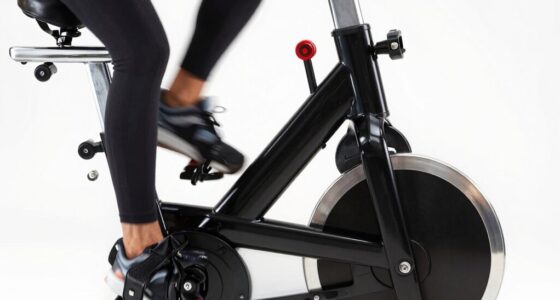
If you’re new to interval training, start by mixing high-intensity bursts with rest periods that suit your fitness level. For example, alternate 30 seconds of brisk walking with 1 minute of a leisurely pace. Gradually increase the intensity and add variety to your exercises, like cycling or bodyweight workouts. Remember to prioritize recovery days to avoid injury and overtraining. Want to know how to track your progress and stay motivated? There’s more to explore!

Get workout gear delivered free — and shop member deals
- Fast, free delivery on millions of items
- Access to Prime Big Deal Days deals on October 6–7
- Prime Video, Amazon Music and more included
Key Takeaways
- Start with short intervals, such as 30 seconds of brisk walking followed by 1 minute of leisurely walking, to match your fitness level.
- Gradually increase the intensity of your workouts to challenge your body and avoid injury.
- Incorporate a variety of activities like cycling, running, or bodyweight exercises to keep your routine interesting.
- Schedule rest days and include adequate recovery between high-intensity sets to prevent overtraining and promote muscle recovery.
- Use fitness apps or journals to monitor progress and celebrate small achievements to stay motivated in your training journey.

If you’re looking to boost your fitness routine without spending hours in the gym, interval training might be just what you need. This method alternates between high-intensity bursts of exercise and periods of lower intensity or rest, making it both efficient and effective. You can achieve better results in a shorter amount of time, and it’s adaptable for all fitness levels. The benefits of interval training are numerous; it can help improve cardiovascular health, enhance metabolism, and even burn more calories in less time compared to steady-state workouts.
However, as a beginner, it’s easy to make some common mistakes that could hinder your progress. One of the most frequent errors is starting too intensely. You might feel tempted to push yourself to the max right away, thinking it’ll yield quicker results. But this can lead to burnout or injury. Instead, ease into your routine by choosing intervals that suit your fitness level. For instance, if you’re just starting, try alternating between 30 seconds of brisk walking and 1 minute of leisurely walking. Gradually increase the intensity as your fitness improves.
Another mistake is neglecting the importance of recovery. Many beginners overlook rest periods, thinking that more work equals better results. In reality, your body needs time to recover and adapt, especially after high-intensity intervals. Incorporate adequate rest between sets and consider scheduling a few rest days in your week to prevent overtraining and promote muscle recovery.
Incorporating variety is essential as well. Sticking to the same routine can lead to boredom and a plateau in results. Mix up your exercises—try different activities like cycling, running, or even bodyweight exercises. Not only will this keep things interesting, but it’ll also challenge your body in new ways, further enhancing the benefits of interval training. Additionally, consider fueling your body with a nutritious breakfast, as high-protein breakfast options can provide the energy needed for effective workouts.
Finally, keep track of your progress. Whether you use an app, a journal, or a fitness tracker, monitoring your workouts can help you stay motivated and adjust your routine as needed. Recognizing improvements, no matter how small, can boost your confidence and commitment.
Frequently Asked Questions
Can Interval Training Help With Weight Loss Effectively?
Yes, interval training can help you lose weight effectively. It boosts your metabolism and maximizes calorie burning during and after workouts. By alternating between high-intensity bursts and lower-intensity recovery periods, you tap into interval benefits that enhance fat loss. You’ll engage more muscle groups, leading to a higher caloric deficit. Plus, it keeps workouts exciting, which helps you stick with your fitness routine. So, get started and watch the results!
How Often Should I Do Interval Training Each Week?
You don’t want to overdo it, so aim for about 2 to 3 sessions of interval training each week. This balance keeps your training consistency on track while minimizing the risk of injury. Listen to your body; if you’re feeling fatigued, it’s perfectly fine to take a break or switch to lower-intensity workouts. Remember, quality matters more than quantity when it comes to achieving your fitness goals. Happy training!
What Are the Best Exercises for Interval Training?
The best exercises for interval training include sprints, burpees, jumping jacks, and high knees. You can mix these with strength moves like push-ups or squats for added workout variety. Aim for intervals where you push your interval intensity to the max for 20-30 seconds, followed by a brief recovery period. This combination keeps your heart rate up and your workouts engaging, helping you improve both endurance and strength effectively.
Is Interval Training Suitable for All Fitness Levels?
Yes, interval training’s suitable for all fitness levels! You can easily start with beginner modifications, like shorter work intervals and longer rest periods. As you progress, you’ll find advanced techniques that challenge your body even more, such as increasing intensity or reducing rest time. Listen to your body, and don’t hesitate to adjust the workouts to fit your current fitness level. It’s all about making it work for you!
How Long Should Each Interval Session Last?
For your interval session duration, aim for about 20 to 30 minutes. Each interval length can vary, but a good starting point is 30 seconds of intense activity followed by 1 to 2 minutes of rest or lower intensity. You can adjust the duration based on your fitness level and goals. Remember, it’s important to listen to your body and gradually increase your session duration as you become more comfortable with the workouts.
Conclusion
As you wrap up your journey into interval training, picture yourself sprinting down a sunlit track, each burst of energy fueling your confidence. With every interval, you’re not just building strength; you’re painting a masterpiece of endurance and determination. Embrace the rhythm of your heart and the sweat glistening on your brow, knowing each session shapes a healthier, stronger you. So lace up those shoes, breathe deeply, and let the transformation begin—one exhilarating interval at a time!
Fall Picks
fall essentials
As an affiliate, we earn on qualifying purchases.