Your bike helmet is vital for protection, so knowing when to replace it is essential. Replace your helmet every 3 to 5 years, right after any crash or noticeable drop. Always check for visible cracks or frayed straps—these are signs it’s time for a new one. Even if it looks fine, damage can occur internally. Regular inspection and maintenance can help, and if you want to learn more about keeping safe, keep exploring the topic.
Key Takeaways
- Replace your helmet every 3 to 5 years, even if it appears undamaged, to ensure optimal safety performance.
- Immediately replace your helmet after any crash or hard drop, as internal foam may be compromised.
- Inspect for visible damage like cracks, dents, or frayed straps, which necessitate immediate replacement for safety.
- Pay attention to built-in impact indicators; if they activate, it signals the helmet must be replaced regardless of its appearance.
- Regularly clean and inspect your helmet to extend its lifespan and maintain protective integrity against environmental wear.

Have you ever wondered how a simple bike helmet can make all the difference in your ride? It’s not just about looking cool or following the rules; it’s about your safety. A properly fitted helmet can protect your head in case of an accident, but even the best helmets have a lifespan. Knowing when to replace your helmet is *vital* for ensuring your safety on the road.
A well-fitted bike helmet is crucial for your safety; knowing when to replace it can save your life.
First, let’s talk about helmet fit. You want a helmet that fits snugly without being too tight. It should sit level on your head and shouldn’t slide back or forward when you move. If your helmet doesn’t fit well, it won’t provide adequate protection. As you ride, it’s essential to check that your helmet is still properly adjusted. Helmets can loosen over time, especially if you frequently take them on and off. A good rule of thumb is to replace your helmet every three to five years, regardless of its condition. However, if you’ve been in a crash or dropped it hard, you should replace it immediately. Even if there are no visible cracks, the internal foam may have been compromised.
Impact indicators are also *essential* in determining when to replace your helmet. Some helmets come with built-in indicators that show whether the helmet has been involved in a significant impact. If you notice that these indicators have changed color or have activated, it’s time to get a new helmet. Remember, your helmet is designed to absorb impact, and once it’s done its job, it can’t do it again.
You should also keep an eye on any visible signs of wear and tear, like cracks, dents, or frayed straps. If you see any of these signs, don’t hesitate to get a new one. Even if you haven’t been in an accident, the materials can degrade over time due to exposure to UV rays and environmental factors. Additionally, proper helmet maintenance is key to extending its lifespan and ensuring continued safety.
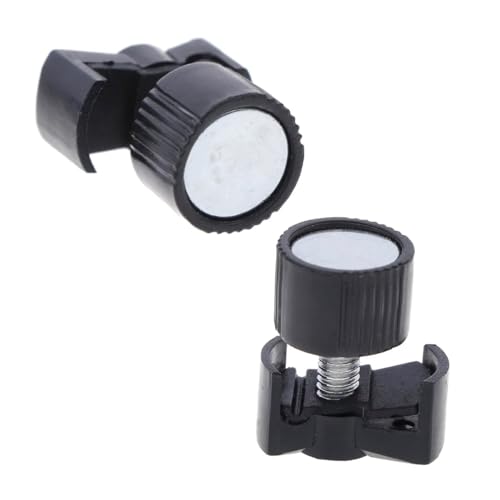
ThtRht 2 Pack Bike Computer Spoke Magnet Universal Speedometer Wheel Mount Strong Magnetic Speed Sensor Counting for Bicycle Road Odometer Cycling Riding Replacement Parts
Package: 2x Magnet For Bicycle Speedometer
As an affiliate, we earn on qualifying purchases.
As an affiliate, we earn on qualifying purchases.
Frequently Asked Questions
Can I Donate My Old Helmet?
You can’t donate your old helmet if it’s damaged or past its expiration date, as it may not provide adequate protection. Instead, consider recycling bike helmets through programs that accept them for materials recovery. Some organizations focus on helmet donation to ensure riders have safe gear, but make sure your helmet meets safety standards first. Always check local guidelines for helmet recycling and donation options to make certain you’re making a responsible choice.
How Should I Clean My Bike Helmet?
To clean your bike helmet, start by removing the inner padding and washing it with mild soap and water. For the outer shell, use a damp cloth and a gentle cleaner. To tackle helmet odor, sprinkle baking soda inside and let it sit overnight for effective odor removal. Rinse the padding thoroughly and air-dry everything completely before reassembling. Following these helmet cleaning tips keeps your helmet fresh and ready for your next ride!
Do All Helmets Fit the Same Way?
No, not all helmets fit the same way! For instance, if you try on a medium-sized helmet from one brand, it might feel snug, while another brand’s medium could feel loose. Helmet fit issues arise from varying shapes and sizing adjustments. Always guarantee you’re using the right size and make necessary adjustments for a secure fit. A proper helmet fit can make all the difference in comfort and safety while riding.
Are There Specific Helmets for Different Biking Styles?
Yes, there are specific helmets designed for different biking styles. If you’re mountain biking, you’ll want a helmet with better ventilation and added weight for protection. Road biking helmets are typically lighter and more aerodynamic. You should consider your riding environment; a well-ventilated helmet keeps you cool during long rides, while a heavier helmet might offer extra safety on rough terrains. Choosing the right helmet can greatly enhance your biking experience.
What Materials Are Bike Helmets Made From?
Bike helmets are primarily made from expanded polystyrene (EPS) foam, which absorbs impact during a crash. They often feature an outer shell made of polycarbonate or fiberglass for added durability. During helmet impact testing, these materials are evaluated to make certain they meet helmet certification standards like CPSC or SNELL. So, when you’re choosing a helmet, look for those certifications to ensure you’re getting a product that’s safe and effective for your biking needs.

Schwinn Thrasher Helmet for Adults, Black, Size 58 – 62 cm, for Riders Ages 14+, Lightweight Microshell, Adjustable Dial and Straps, Interior Padding, 20 Air Vents, Removable Visor, Adult Bike Helmet
ADULT BIKE HELMET: Designed for fitness and recreational rides, this sporty bicycle helmet fits riders ages 14+ with…
As an affiliate, we earn on qualifying purchases.
As an affiliate, we earn on qualifying purchases.
Conclusion
When it comes to your safety, don’t wait until it’s too late. Remember, a helmet’s job is to protect you, and if it’s showing signs of wear or has been in a crash, it’s time to replace it. Keeping your helmet in top shape means you’re always ready to hit the road safely. So, take the plunge and invest in a new helmet when needed—better safe than sorry! Your head will thank you for it!
Schwinn Thrasher Helmet for Adults, Black, Size 58 – 62 cm, for Riders Ages 14+, Lightweight Microshell, Adjustable Dial and Straps, Interior Padding, 20 Air Vents, Removable Visor, Adult Bike Helmet
ADULT BIKE HELMET: Designed for fitness and recreational rides, this sporty bicycle helmet fits riders ages 14+ with…
As an affiliate, we earn on qualifying purchases.
As an affiliate, we earn on qualifying purchases.
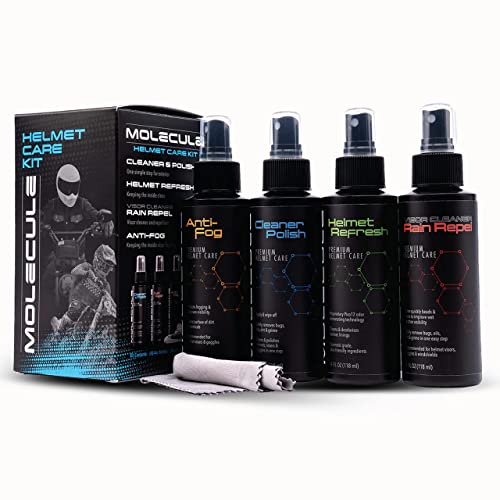
Molecule Helmet Care Kit | Premium Helmet Care | Includes Anti-Fog, Cleaner Polish, Helmet Refresh, and Rain Repel | Cleans and Details Helmets, Visors, and Goggles | 4 Ounces (1 Kit)
Cleans and polishes helmets, visors in easy application
As an affiliate, we earn on qualifying purchases.
As an affiliate, we earn on qualifying purchases.