
Functional training focuses on exercises that mimic everyday movements, helping you perform daily tasks with greater ease. It enhances your strength, balance, and coordination by prioritizing natural body movements over isolated muscle work. With exercises like kettlebell swings and stability ball workouts, you’ll engage multiple muscle groups simultaneously. This approach not only improves your fitness but also boosts your energy levels and reduces injury risk. There’s a lot more to discover about how functional training can enhance your daily life.

Get workout gear delivered free — and shop member deals
- Fast, free delivery on millions of items
- Access to Prime Big Deal Days deals on October 6–7
- Prime Video, Amazon Music and more included
Key Takeaways
- Functional training focuses on movements that enhance strength, balance, and coordination for practical application in daily life.
- It improves the ability to perform everyday tasks like lifting, bending, and reaching with greater ease.
- Using minimal equipment, such as resistance bands and kettlebells, promotes diverse movement patterns and comprehensive fitness.
- This training enhances body awareness, preventing injuries and improving posture through strengthened core and stabilizing muscles.
- Incorporating dynamic movements boosts cardiovascular fitness and increases daily energy levels, contributing to overall well-being.
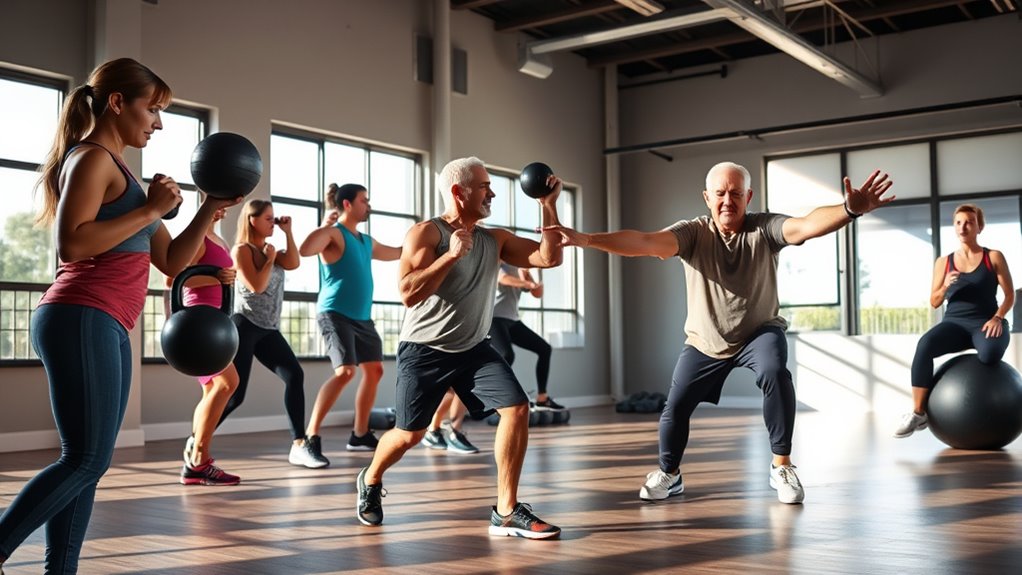
Have you ever wondered how to make your workouts more practical for everyday life? If so, functional training might just be the answer you’re looking for. This approach focuses on exercises that mimic everyday movements, enhancing your strength, balance, and coordination. Instead of isolating muscles, functional training emphasizes the way your body naturally moves, making it more relevant to your daily tasks.
Incorporating exercise variations is key to functional training. You’re not just doing squats or lunges; you’re combining movements that help you lift, push, pull, and carry effectively. Think about how often you bend to pick something up or reach for an object on a shelf. Functional exercises, like kettlebell swings or medicine ball slams, help you develop the strength and agility needed for these movements. By integrating these variations into your routine, you’ll find that your workouts become more engaging and applicable to your life outside the gym.
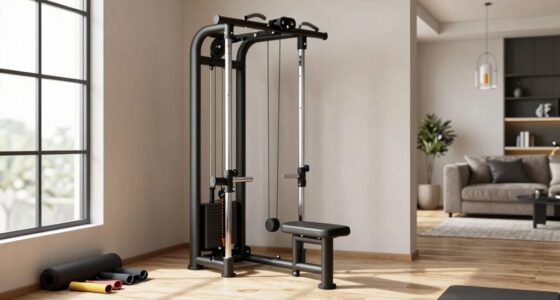
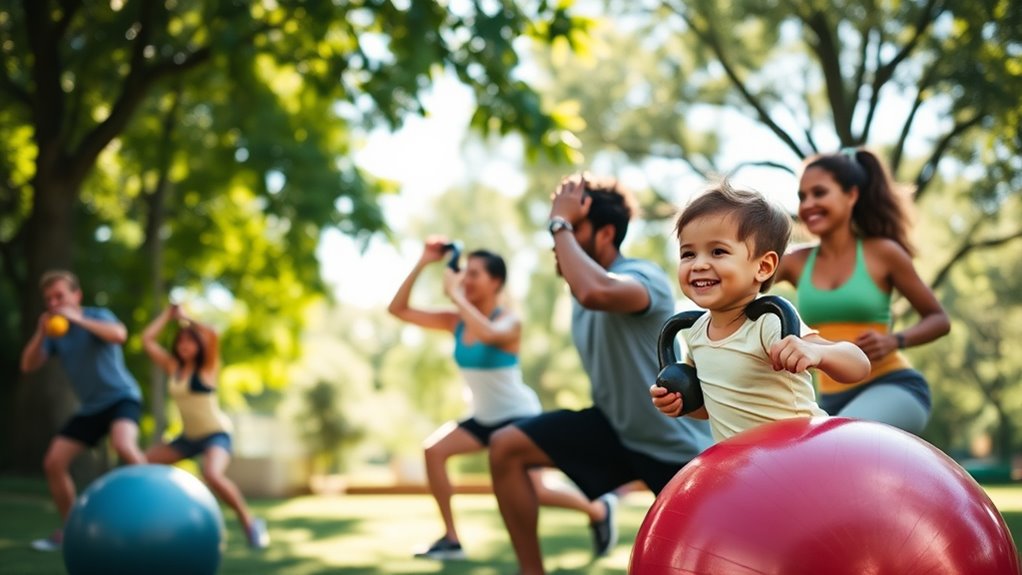
When it comes to training equipment, you don’t need a lot to get started. Simple tools like resistance bands, stability balls, and kettlebells can add variety to your workouts while enhancing your functional strength. For example, using a stability ball during exercises like wall squats can improve your core stability, making it easier to perform activities like sitting down or standing up. The right training equipment can challenge your body in new ways, pushing you to engage multiple muscle groups simultaneously.
One of the biggest benefits of functional training is its impact on your overall quality of life. As you build strength and coordination, you’ll notice that daily tasks become easier. Carrying groceries, climbing stairs, or playing with your kids won’t feel as intimidating. You’ll develop greater body awareness, which can help prevent injuries and improve your posture. Plus, because functional training often incorporates dynamic movements, you’ll also boost your cardiovascular fitness, making you feel more energetic throughout the day. Additionally, incorporating safe operating procedures when using training equipment can further enhance your workout experience and safety.
resistance bands for functional training
As an affiliate, we earn on qualifying purchases.
As an affiliate, we earn on qualifying purchases.
Frequently Asked Questions
Can Functional Training Help With Injury Rehabilitation?
Yes, functional training can definitely help with injury rehabilitation. By focusing on rehabilitation exercises that mimic everyday movements, you’ll strengthen the muscles and improve stability around the injured area. This approach aids in injury recovery, allowing you to regain your mobility and confidence. You’ll find that these exercises not only promote healing but also enhance overall body function, making it easier to return to your daily activities without fear of re-injury.
What Equipment Is Needed for Functional Training?
You don’t need much equipment for functional training; think of a sturdy mat, dumbbells, resistance bands, and a stability ball. Picture yourself performing exercises that enhance strength training and balance improvement, like lunges with dumbbells or using a resistance band for rows. You’ll feel empowered as you engage your core and stabilize your movements. This minimal setup helps you mimic real-life activities, making your workouts both effective and enjoyable.
How Often Should I Do Functional Training?
You should aim for functional training at least three to four times a week. This exercise frequency helps improve your strength, stability, and overall fitness. When workout scheduling, consider mixing in different exercises to keep things fresh and engaging. You can alternate between high-intensity sessions and lighter recovery days to avoid burnout. Listen to your body and adjust as needed, ensuring you get the most out of your functional training routine.
Is Functional Training Suitable for Seniors?
Absolutely, functional training can be a wonderful fit for seniors! It’s like a gentle nudge towards maintaining independence and vitality. When considering age appropriateness, it’s essential to tailor exercises to individual abilities, ensuring safety considerations are at the forefront. You’ll find that activities designed to enhance balance, strength, and flexibility can make daily tasks easier and more enjoyable. So, embrace the benefits and keep moving towards a healthier, more active lifestyle!
Can I Do Functional Training at Home?
Yes, you can definitely do functional training at home! Home workouts are a great way to incorporate bodyweight exercises that mimic everyday movements, improving your strength and flexibility. You don’t need fancy equipment; just use your body for resistance. Consider exercises like squats, lunges, and push-ups. These activities can enhance your balance and coordination, making daily tasks easier. So, get started today and enjoy the benefits of functional training right in your living room!
As an affiliate, we earn on qualifying purchases.
Conclusion
Incorporating functional training into your routine can be a game-changer, transforming your body into a well-tuned machine ready to tackle daily challenges. Just as a sculptor chisels away at a block of marble to reveal a masterpiece, you’ll uncover your potential through movements that mimic real-life activities. Embrace this holistic approach, and you’ll not only strengthen your body but also enhance your agility and resilience, turning everyday tasks into effortless dances of strength and grace.
stability ball exercise equipment
As an affiliate, we earn on qualifying purchases.
As an affiliate, we earn on qualifying purchases.
As an affiliate, we earn on qualifying purchases.
Evergreen bestsellers Picks
bestsellers
As an affiliate, we earn on qualifying purchases.