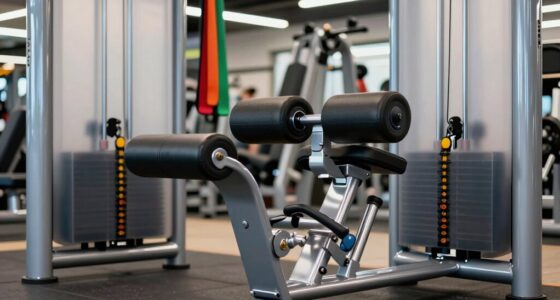
Yes, teens can safely lift weights! When properly supervised, strength training boosts fitness, enhances strength, and builds confidence. It is crucial to focus on technique rather than lifting heavy weights. Participating in structured programs ensures guidance on safe practices and age-appropriate exercises. Always listen to your body, stop if you feel pain, and include flexibility and cardio in your routine. With the right approach, weightlifting can be a fun and empowering part of your fitness journey. Discover more about this growing trend!
Key Takeaways
- Teens can safely lift weights to support healthy development and build strength when guided by trained professionals.
- Proper supervision and structured programs ensure safe practices and correct technique, reducing injury risks.
- Focus on mastering technique rather than lifting heavy weights to promote safe and effective strength training.
- Strength training enhances sports performance, boosts confidence, and contributes to a balanced fitness routine for teens.
- Incorporating flexibility and cardiovascular training alongside strength exercises helps achieve overall fitness and well-being.

As teens navigate the challenges of growth and development, many wonder whether lifting weights is a good idea. You might be curious if strength training can help you gain muscle, improve your performance in sports, or boost your confidence. The truth is, when done correctly, lifting weights can offer numerous benefits for adolescents. However, it’s essential to approach this activity with caution and proper guidance.
Adolescent bodybuilding can be a fantastic way to build strength and improve overall fitness. Unlike the old myth that lifting weights stunts growth, research shows that, when appropriately managed, strength training can actually support healthy development. If you’re considering starting a weightlifting routine, the key is to focus on technique rather than lifting heavy weights. Your body is still growing, so you want to avoid any injuries that could hinder your physical development.
Adolescent bodybuilding builds strength and fitness, supporting healthy development when focused on technique and injury prevention.
Joining youth fitness programs can provide you with the structured environment needed to learn the fundamentals of lifting. These programs often emphasize safe practices, ensuring you understand how to use the equipment correctly and how to execute exercises with proper form. Coaches and trainers in these programs can guide you through age-appropriate workouts, helping you build a solid foundation before advancing to more intense routines.
It’s essential to listen to your body. As a teen, you may experience soreness after workouts, which is normal. However, if you ever feel pain or discomfort beyond typical muscle fatigue, it’s vital to stop and seek advice. Remember, the goal of weight training at your age isn’t just about building muscle; it’s about enhancing your overall well-being. Incorporating flexibility training and cardiovascular exercises alongside your strength training will also contribute to a balanced fitness regimen. Combining these elements not only helps prevent injuries but also promotes overall health and endurance. You’ll find that as you progress and your strength increases, your confidence will follow suit, making you feel more empowered in other areas of life.
Ultimately, lifting weights as a teen can be very beneficial, provided you approach it thoughtfully and responsibly. By participating in supervised youth fitness programs and focusing on proper technique, you can safely enjoy the advantages of strength training. So, if you’re ready to start your journey into weightlifting, embrace the challenge and make it an exciting part of your fitness routine!
As an affiliate, we earn on qualifying purchases.
Frequently Asked Questions
What Age Is Appropriate for Teens to Start Weightlifting?
You can start weightlifting as a teen around 13 to 15, depending on your maturity and physical readiness. It’s essential to focus on proper form and technique before increasing weight. Engaging in youth exercise, like strength training, can boost your teen fitness and overall health. Remember, it’s all about building a solid foundation while avoiding injuries, so always consult a knowledgeable coach or trainer before diving into a lifting routine.
How Much Weight Should Teens Lift When Starting Out?
When starting out, you shouldn’t lift heavy weights; think of it like planting a seed. Start with light weights that allow you to focus on proper form and gym safety. Aim for about 40-50% of your body weight or use just the bar initially. It’s essential to build a strong foundation, so prioritize technique over heavier lifts. As you gain strength and confidence, gradually increase the weight while maintaining that proper form.
Can Weightlifting Stunt a Teen’s Growth?
No, weightlifting doesn’t stunt a teen’s growth. Your growth plates, which are areas of developing cartilage, close naturally as you reach adulthood. When you lift weights with proper technique and supervision, you’re actually promoting muscle development and overall fitness. Just make sure to start with lighter weights and focus on form. This way, you’ll strengthen your body without risking injury or negatively affecting your growth. Enjoy your training!
What Should Teens Eat to Support Strength Training?
To support your strength training, focus on nutrition basics like lean proteins, whole grains, fruits, and veggies. Plan your meals around nutrient-dense foods that fuel your workouts. Incorporate sources of protein like chicken, fish, or beans to help muscle recovery. Don’t forget healthy fats from nuts or avocados, and stay hydrated with plenty of water. By meal planning effectively, you can guarantee you’re getting the right nutrients to maximize your strength training results.
How Often Should Teens Lift Weights Each Week?
You should aim to lift weights about three to four times a week, like a well-oiled machine running smoothly. This training frequency allows your muscles to recover while building strength. Balancing workouts with rest days is vital for injury prevention, keeping you safe and effective. Make sure to focus on proper form and technique, too. With the right approach, you’ll not only gain strength but also enjoy the process. Keep pushing yourself!
As an affiliate, we earn on qualifying purchases.
Conclusion
In conclusion, yes, teens can safely lift weights, and it can be incredibly beneficial. Did you know that studies show strength training can improve self-esteem in 90% of young athletes? By encouraging healthy habits early on, you’re not just helping them build physical strength but also boosting their confidence for life. So, if your teen shows interest, support them on this journey—it might just transform their outlook, both in and out of the gym!
As an affiliate, we earn on qualifying purchases.
age-appropriate dumbbells for teens
As an affiliate, we earn on qualifying purchases.
As an affiliate, we earn on qualifying purchases.