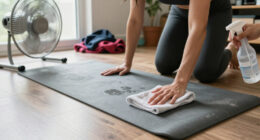
Foam rolling is a game changer for runners. It enhances recovery, improves flexibility, and reduces muscle soreness. By breaking up tension and promoting blood flow, you’ll boost your performance while lowering your risk of injury. Focus on larger muscle groups like quads and hamstrings first, then work your way to tighter spots like calves and glutes. This technique can help transform your running experience. Keep going to discover more about mastering foam rolling techniques!

Get workout gear delivered free — and shop member deals
- Fast, free delivery on millions of items
- Access to Prime Big Deal Days deals on October 6–7
- Prime Video, Amazon Music and more included
Key Takeaways
- Foam rolling enhances muscle recovery, promoting faster bounce-back and reducing soreness after runs.
- It aids in injury prevention by keeping muscles pliable, reducing tightness and imbalances.
- Focus on larger muscle groups first, then target smaller areas like calves and glutes.
- Roll slowly over tight spots to relieve tension and improve flexibility effectively.
- Regular foam rolling is essential for serious runners, leading to better performance and reduced injury risk.

When you hit the pavement for a run, your muscles endure a lot of stress, which is why incorporating foam rolling into your routine can be a game changer. Foam rolling helps enhance muscle recovery, allowing you to bounce back faster after those long runs. By applying pressure to specific muscle groups, you encourage blood flow and break up adhesions in your fascia, the connective tissue surrounding your muscles. This process not only reduces muscle soreness but also improves flexibility, letting you maintain a more efficient running form.
Incorporating foam rolling into your routine enhances recovery, reduces soreness, and improves flexibility for more efficient running.
You might be wondering how foam rolling contributes to injury prevention. When you run, your muscles can become tight and knotted, which often leads to discomfort or even injury over time. Regular foam rolling helps keep your muscles pliable and balanced, reducing the risk of strains or pulls. By dedicating just a few minutes before and after your runs to foam rolling, you’re actively working to prevent injuries that could sideline you for weeks.
To get the most out of your foam rolling sessions, start with the larger muscle groups, like your quads and hamstrings. Slowly roll back and forth over these areas, spending extra time on any tight spots you find. Don’t rush it—allow yourself to really feel the benefits as you work through the tension. Once you’ve tackled the big muscles, move on to smaller areas like your calves, IT band, and glutes. These regions often hold a lot of tension, especially for runners, so it’s essential to give them some extra attention.
Another key aspect of foam rolling is its effect on muscle recovery. By helping to flush out lactic acid and other metabolic waste products from your muscles, you’re promoting a quicker recovery process. This means less downtime between runs and more time to enjoy your favorite activity. Plus, with reduced soreness, you’ll find it easier to maintain your training schedule and hit your goals. Additionally, using space‑saving techniques for your foam rolling routine can maximize your effectiveness and efficiency in recovery.
Incorporating foam rolling into your post-run routine isn’t just a luxury; it’s an indispensable part of any serious runner’s regimen. You’ll notice improvements in your overall performance and a significant reduction in soreness and injuries. So grab that foam roller, make it a habit, and watch how your running experience transforms. Your muscles will thank you for it!
As an affiliate, we earn on qualifying purchases.
Frequently Asked Questions
How Often Should Runners Foam Roll Each Week?
You should foam roll at least three to four times a week. This frequency helps maintain muscle flexibility and aids in injury prevention, especially when you’re training hard. Incorporating foam rolling into your routine can enhance recovery and keep your muscles in top shape. Listen to your body—if you’re feeling tight or sore, consider adding an extra session. Consistency is key, so make foam rolling a regular part of your training regimen.
Can Foam Rolling Help With Running Injuries?
Yes, foam rolling can definitely help with running injuries. By promoting muscle recovery, it helps alleviate tension and soreness in your muscles, allowing you to bounce back faster. Regular foam rolling can also play a vital role in injury prevention, as it increases blood flow and flexibility, reducing your risk of strains and sprains. Incorporating this into your routine can keep you running strong and pain-free. So, give it a try!
Is There a Specific Time of Day to Foam Roll?
There isn’t a specific time of day to foam roll, but consistency is key. You might find it beneficial to incorporate foam rolling into your morning routines, as it can help wake up your muscles and improve circulation. However, rolling after workouts can also be effective for recovery. Just choose a time that fits your schedule and stick with it to maximize the benefits. Your body will thank you!
What Type of Foam Roller Is Best for Beginners?
For beginners, a high-density foam roller is your best bet. Its firmness provides the support you need while still allowing for effective pressure. When considering foam roller selection, look for one that’s smooth or slightly textured to ease into beginner foam rolling techniques. Start with shorter sessions, focusing on major muscle groups like calves and thighs. As you gain confidence, you can explore different shapes and densities that suit your needs.
Can Foam Rolling Replace Stretching for Runners?
No, foam rolling can’t fully replace stretching for runners. In fact, studies show that combining both methods can improve flexibility by up to 20%. Foam rolling effectiveness lies in its ability to relieve muscle tension and improve blood flow, serving as a great stretching alternative. However, you shouldn’t skip static stretches, as they maintain joint range and prevent injuries. For maximum performance, integrate both foam rolling and traditional stretching into your routine.
massage stick for muscle recovery
As an affiliate, we earn on qualifying purchases.
As an affiliate, we earn on qualifying purchases.
Conclusion
As you lace up your running shoes, remember that foam rolling isn’t just a luxury; it’s a game-changer. Imagine the relief as tension melts away and your muscles feel rejuvenated, ready to tackle that next mile. But what if you could release even greater performance? The secret lies in mastering those techniques you’ve learned. So, are you ready to roll your way to a stronger, faster you? The finish line awaits—let foam rolling be your secret weapon.
As an affiliate, we earn on qualifying purchases.
muscle recovery tools for runners
As an affiliate, we earn on qualifying purchases.
As an affiliate, we earn on qualifying purchases.
Fall Picks
fall essentials
As an affiliate, we earn on qualifying purchases.