To stay hydrated during long runs, drink water and electrolyte-rich sports drinks regularly—about every 15-20 minutes—and start hydrating well beforehand. Use hydration accessories like handheld bottles or packs to carry fluids conveniently. Keep an eye on your thirst and urine color for signs you need more fluids. Recognize early dehydration signs like dry mouth or dizziness, and rehydrate promptly. Want to fine-tune your hydration plan? Keep going to learn more tips!
Prime for Young Adults — start your free trial
Fast free delivery, streaming and member deals for eligible 18–24 year olds.
As an affiliate, we earn on qualifying purchases.
Key Takeaways
- Drink fluids regularly before, during, and after your run, sipping every 15-20 minutes to prevent dehydration.
- Use electrolyte-rich sports drinks to replenish minerals lost through heavy sweating.
- Monitor urine color and thirst to gauge hydration levels and adjust fluid intake accordingly.
- Carry hydration accessories like handheld bottles or belts suited to your run distance and weather conditions.
- Recognize signs of dehydration early, such as dry mouth or dark urine, and hydrate proactively to maintain performance.
As an affiliate, we earn on qualifying purchases.
Understanding Your Hydration Needs Before and During Your Run
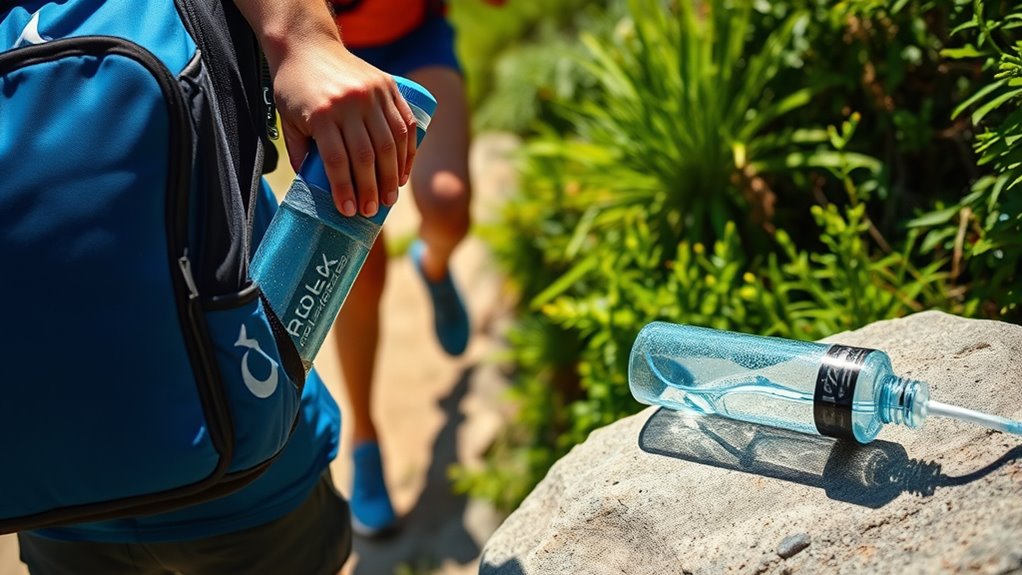
Understanding how much you need to hydrate before and during your run is crucial for maintaining performance and preventing dehydration. Your sweat rate determines how quickly you lose fluids and electrolytes during exercise, so knowing yours helps you plan effectively. If you tend to sweat heavily, you’ll need to hydrate more frequently and consume beverages that support electrolyte balance. Monitoring your body’s signals, such as thirst and the color of your urine, can also guide your intake. Proper hydration guarantees your muscles function at their best and reduces the risk of cramping or fatigue. Recognizing the importance of hydration strategies can help you optimize your fluid intake for endurance and recovery. Developing a personalized hydration plan based on individual needs can significantly improve your long-run performance. Additionally, understanding your sweat rate allows you to tailor your hydration to prevent both dehydration and overhydration. You can also consider implementing water management techniques to enhance hydration efficiency during extended runs. Remember, everyone’s hydration needs are different, so paying attention to your body’s responses is key to staying energized and safe throughout your long runs.
As an affiliate, we earn on qualifying purchases.
Choosing the Right Fluids and Hydration Accessories
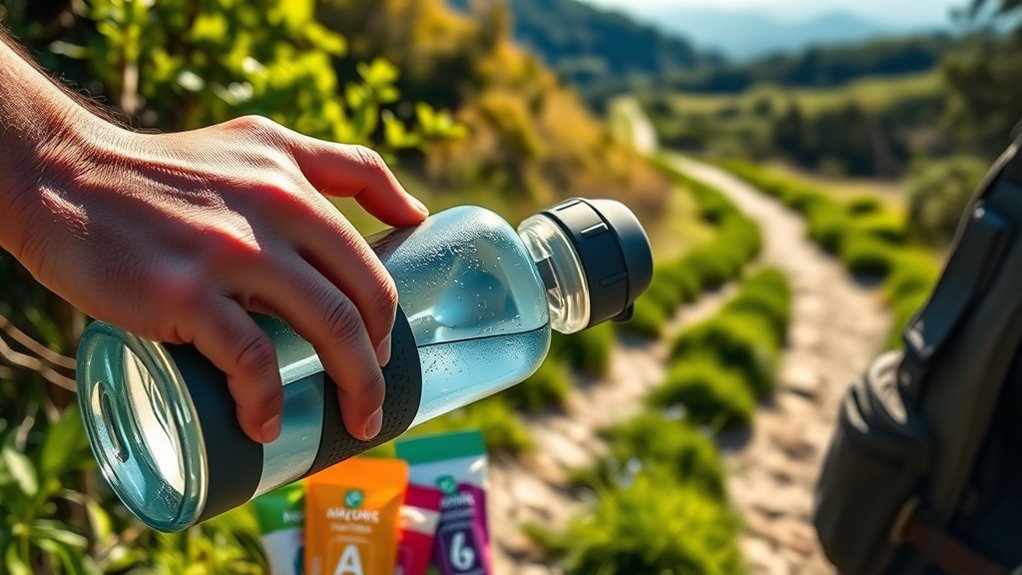
Choosing the right fluids and hydration accessories is essential to keep you fueled and prevent dehydration during long runs. Your fluid choices should include water and sports drinks with electrolytes to replenish lost salts. Hydration accessories like handheld bottles, hydration belts, or packs make it easier to carry fluids comfortably. Consider your run distance, weather, and personal preference when selecting gear. Here’s a quick comparison:
| Accessory | Best For | Fluid Options |
|---|---|---|
| Handheld Bottle | Short to mid-distance runs | Water, electrolyte drinks |
| Hydration Belt | Long runs, convenience | Water, gels |
| Running Pack | Ultra-distance, hands-free | Water, sports drinks |
| Flask | Quick sips, on-the-go | Water, energy fluids |
Choose accessories that suit your pace and ensure your fluid choices keep you hydrated without added weight or inconvenience. Proper hydration is a key aspect of effective home renovation and maintaining your overall performance. Being mindful of natural water sources and their safety can also enhance your hydration strategy during outdoor activities. Additionally, understanding hydration needs based on weather conditions and exercise intensity can help optimize your fluid intake. Incorporating knowledge about ecosystem diversity can remind us of the importance of clean water sources for sustaining life.
electrolyte sports drinks for runners
As an affiliate, we earn on qualifying purchases.
As an affiliate, we earn on qualifying purchases.
Timing Your Hydration to Maximize Performance and Recovery

Timing your hydration properly can substantially boost your running performance and speed up recovery. To optimize benefits, drink fluids at regular intervals before, during, and after your run. This consistent approach helps maintain electrolyte balance, preventing issues like cramping and fatigue. Many hydration myths suggest chugging large amounts of water right before a run, but spreading out smaller, consistent intakes is more effective. During your run, sip fluids every 15-20 minutes to stay ahead of dehydration. Post-run, rehydrate with electrolyte-rich drinks to replenish lost minerals. Proper timing guarantees your body remains hydrated without overloading your system, supporting sustained energy and efficient recovery. Additionally, understanding field recording techniques can help you better capture sounds that motivate and inspire your runs, making your training more engaging. Remember that hydration timing is just as important as the amount of fluids you consume, ensuring optimal performance. Being aware of hydration strategies can further enhance your hydration plan to prevent dehydration and improve overall endurance. Proactively managing your hydration also involves paying attention to individual hydration needs, which can vary based on factors like climate and personal sweat rate. Recognizing that hydration monitoring can help you track your fluid levels more accurately allows you to adjust your intake accordingly and prevent dehydration. Avoid misconceptions that hydration is only necessary during long runs; proactive timing is key to maximizing your performance and recovery.
As an affiliate, we earn on qualifying purchases.
Recognizing Signs of Dehydration and How to Prevent It

Dehydration can sneak up on you during long runs, and recognizing its signs early is essential for staying safe and maintaining performance. Pay attention to thirst cues—if you feel unusually thirsty, it’s a clear sign you need to hydrate. Signs of dehydration include dry mouth, dizziness, and dark-colored urine. Maintaining electrolyte balance is important; when your body loses fluids, it also loses essential minerals like sodium and potassium that help regulate hydration. To prevent dehydration, drink regularly, even before feeling thirsty, and consider electrolyte drinks to replenish lost minerals. Monitoring your body’s signals ensures you stay ahead of dehydration, keeping your performance ideal and your body safe during those long miles. Proper hydration and awareness of your environment are crucial for creating a healthy home and staying safe during extended physical activity. Being mindful of hydration strategies can help you develop routines that support consistent fluid intake, much like the sustainable energy concept emphasized in electric power generation with bike generators, which highlights efficient and environmentally friendly energy use. Regularly checking your body jewelry measurements and materials can also prevent discomfort and irritation during long runs, ensuring your focus remains on your performance.
Frequently Asked Questions
How Much Water Should I Drink After a Long Run?
After a long run, you should aim to drink about 16-24 ounces of water within the first hour to rehydrate effectively. Incorporate post-run electrolyte replenishment to restore lost minerals, and use hydration timing strategies—like sipping gradually—to maximize absorption. Listen to your body’s thirst signals, and continue hydrating throughout the day to fully recover. This approach helps prevent dehydration and guarantees you’re ready for your next run.
Can I Rely Solely on Sports Drinks for Hydration?
Coincidences happen, but relying solely on sports drinks isn’t ideal for hydration. While they help maintain electrolyte balance, they lack sufficient water for proper hydration timing. You need plain water to stay fully hydrated during long runs, as sports drinks can sometimes lead to overconsumption of sugars or electrolytes. Combining water and sports drinks ensures ideal hydration, keeping your electrolyte levels balanced and your body functioning smoothly throughout your run.
What Are the Best Hydration Strategies for Hot Weather Runs?
During hot weather runs, focus on maintaining electrolyte balance by incorporating electrolyte-rich drinks and snacks. Hydration timing is vital—drink small amounts frequently before, during, and after your run to stay ahead of dehydration. Carry a water bottle or plan routes with access to hydration stations. Listen to your body’s signals, and don’t wait until you’re thirsty to hydrate, especially in high temperatures.
How Does Caffeine Intake Affect Hydration During Long Runs?
Caffeine can impact your hydration during long runs by producing diuretic effects, which may increase fluid loss. While it can boost alertness, too much caffeine might lead to dehydration and muscle cramps. To stay balanced, limit caffeine intake before and during your run, and prioritize water or electrolyte drinks. This way, you enjoy the alertness benefits without compromising hydration, helping you perform your best and stay safe.
Are There Specific Hydration Tips for Runners With Medical Conditions?
If you have medical conditions, focus on medical hydration by consulting your doctor for personalized advice. Use hydration monitoring tools, like smart bottles or wearable devices, to track your fluid intake and electrolyte levels during runs. Stay aware of symptoms like dizziness or muscle cramps, and adjust your hydration accordingly. Consistently hydrate before, during, and after your run to maintain ideal health and performance.
Conclusion
Staying hydrated during long runs is like tending to a delicate plant—you need to give it just the right amount of water to thrive. By understanding your hydration needs, choosing the right fluids, timing your intake, and watching for signs of dehydration, you guarantee your performance blooms. Keep this balance, and you’ll cross the finish line stronger and more refreshed. Remember, hydration isn’t just a habit—it’s the nourishing root of your running journey.
Fall Picks
fall essentials
As an affiliate, we earn on qualifying purchases.