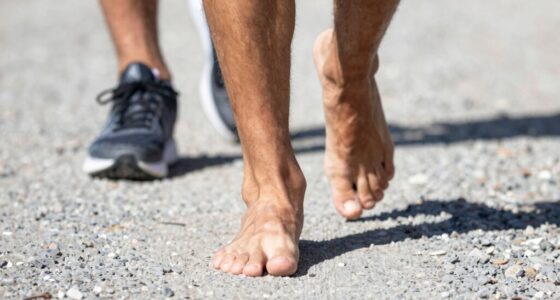
To improve your 5K time, incorporate interval training by alternating intense sprints with recovery periods. Aim for 1-2 sessions each week, gradually increasing your intensity and distance. Don’t forget to fuel your body with a balanced diet of carbohydrates and proteins, and stay hydrated before, during, and after your runs. As race day approaches, taper your workouts to allow for recovery. Mastering mental strategies can also boost your confidence and performance. Discover more tips to enhance your training.
Key Takeaways
- Incorporate 1-2 interval training sessions weekly to build speed and endurance through high-intensity bursts followed by recovery periods.
- Focus on a balanced diet, emphasizing carbohydrates for energy and proteins for muscle recovery, to optimize performance.
- Taper your training in the week leading up to the race to allow your body to rest and recover fully.
- Practice mental strategies like visualization and positive reinforcement to boost confidence and enhance race-day performance.
- Gradually increase your training intensity and distance using progressive overload to continually challenge your limits and improve performance.

Are you looking to shave seconds off your 5K time? If so, you’re not alone. Many runners share the same goal, and the good news is that with the right training strategies and mindset, you can achieve it. One of the most effective methods to improve your speed is through interval training. This type of training involves alternating between short bursts of intense effort and periods of recovery. By incorporating interval workouts into your routine, you’ll build both speed and endurance, which are essential for a faster 5K.
Start by including one or two interval sessions each week. For example, you might sprint for 400 meters and then jog or walk for a minute to recover. Repeat this cycle for several rounds, gradually increasing the intensity and distance as your fitness improves. The idea is to push your limits during those sprints, so you train your body to run faster over longer distances. You’ll find that this not only helps you during races but also keeps your workouts engaging and challenging.
However, interval training alone won’t guarantee you a new personal record. Proper nutrition plays a critical role in your overall performance. Fueling your body with the right nutrients can increase your energy levels and aid in recovery. Make sure you’re consuming a balanced diet that includes plenty of carbohydrates, proteins, and healthy fats. Carbs provide the energy you need for high-intensity workouts, while proteins help repair and build muscle. Don’t forget to hydrate, too! Drinking enough water before, during, and after your runs is essential for peak performance.
As you approach race day, consider tapering your training. This means reducing your mileage and intensity in the week leading up to the race so your body can rest and recover. You’ll want to feel fresh and strong when you toe the starting line. It’s also a good time to focus on your mental game. Visualize your race strategy, and remind yourself of the hard work you’ve put in. Confidence can considerably influence your performance, especially during those critical final moments of the race.
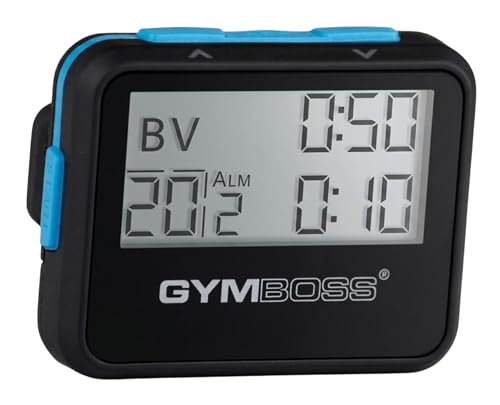
Gymboss Interval Timer and Stopwatch – Black/Blue SOFTCOAT
- Compact Interval Timer: Times 1 or 2 intervals from 2 sec to 99 min
- Built-in Stopwatch and Clock: Includes secure, removable belt clip
- Auto Repeat Mode: Repeats intervals up to 99 times with notifications
As an affiliate, we earn on qualifying purchases.
As an affiliate, we earn on qualifying purchases.
Frequently Asked Questions
What Nutrition Should I Focus on Before a 5K Race?
Before your 5K race, focus on pre-race carb loading by consuming complex carbs like pasta, rice, or sweet potatoes. This’ll give you the energy you need. Don’t forget your hydration strategies—drink plenty of water in the days leading up to the race, and consider a sports drink to maintain electrolyte balance. On race day, have a light snack about an hour before, like a banana or energy bar, to fuel your run.
How Do I Prevent Injuries While Training for a 5K?
To prevent injuries while training for a 5K, focus on wearing proper footwear that provides adequate support and cushioning. You should also incorporate gradual progression into your training plan, increasing your distance and intensity slowly to allow your body to adapt. Make sure to listen to your body and include rest days when needed. Stretching and cross-training can help strengthen muscles and improve flexibility, further reducing your risk of injury.
Should I Run Alone or With a Group for Better Results?
You should definitely consider running with a group for better results. While solo runs can feel peaceful, the energy and social support from a group can boost your running motivation considerably. Picture yourself surrounded by friends, cheering each other on, and pushing each other to achieve personal bests. The camaraderie not only makes training more enjoyable but also helps you stay committed and accountable, ultimately improving your performance on race day.
What Gear Is Essential for Training and Racing a 5K?
For training and racing a 5K, you’ll need a few essential gear items. First, invest in a good pair of running shoes that provide the right support and cushioning for your feet. Next, moisture-wicking apparel is vital to keep you dry and comfortable during your runs. This combination will help you perform your best and prevent discomfort or injury on race day. Don’t overlook the importance of proper gear!
How Can I Mentally Prepare for Running a 5K?
To get your mind in the zone for a 5K, embrace the art of mental focus. Think of it as polishing your mental gems. Use visualization techniques to picture yourself crossing the finish line strong, feeling that rush of accomplishment. Break the race into manageable segments in your mind, making it less intimidating. Remind yourself of your training, and trust in your preparation. You’ll find that confidence grows, making the race feel like a rewarding adventure.

5K Training For Beginners: From Couch To 5K Runner In 8 Weeks Or Less
As an affiliate, we earn on qualifying purchases.
As an affiliate, we earn on qualifying purchases.
Conclusion
As you lace up your shoes for your next 5K, remember that every step you take is a tribute to your hard work and dedication. Imagine crossing that finish line, heart racing, knowing you pushed through the challenges. Coincidentally, it’s often during those toughest training days that you discover your true strength. Embrace the journey, celebrate your progress, and trust that your efforts will lead to that personal best. You’ve got this—your best race is just around the corner!

Lightweight Hydration Backpack, Running Backpack with 2L Water Bladder, Hydro Water Daypack for Cycling Hiking Rave for Men Women
- Lightweight Design: Only 8.5 oz with 2L bladder
- Durable Waterproof Material: Tear-resistant, PU coated nylon fabric
- Leakproof Water Bladder: Food-grade, BPA-free, with hose clamp
As an affiliate, we earn on qualifying purchases.
As an affiliate, we earn on qualifying purchases.

Honey Stinger Organic Fruit Smoothie Energy Gel, Gluten Free & Caffeine Free, for Exercise, Running and Performance, Sports Nutrition for Home & Gym, Pre and Mid Workout, 12 Pack, 13.2 Ounce
- Delicious Fruit Blend: 12-pack of grab-and-go energy gels
- Quick Energy Boost: 24g carbs per serving for fast energy
- Portable and Easy to Digest: Ideal for race day, gym, and outdoor activities
As an affiliate, we earn on qualifying purchases.
As an affiliate, we earn on qualifying purchases.