
TL;DR
FS8 instructor Amelia Palmiero recommends supine toe taps as a foundational mat Pilates exercise for beginners learning to engage their deep core. The movement starts in tabletop position and emphasizes slow, controlled foot taps, steady breathing and keeping the lower back stable.
Amelia Palmiero, an FS8 reformer and mat Pilates instructor, recommends supine toe taps as a starting exercise for people new to Pilates. The movement is performed lying on the back and alternating a light foot tap from tabletop position, with attention to breathing, control and a steady pelvis.

Get workout gear delivered free with Prime
- Fast, free delivery on millions of items
- Prime Video, Amazon Music and more included
- Member-only deals all year
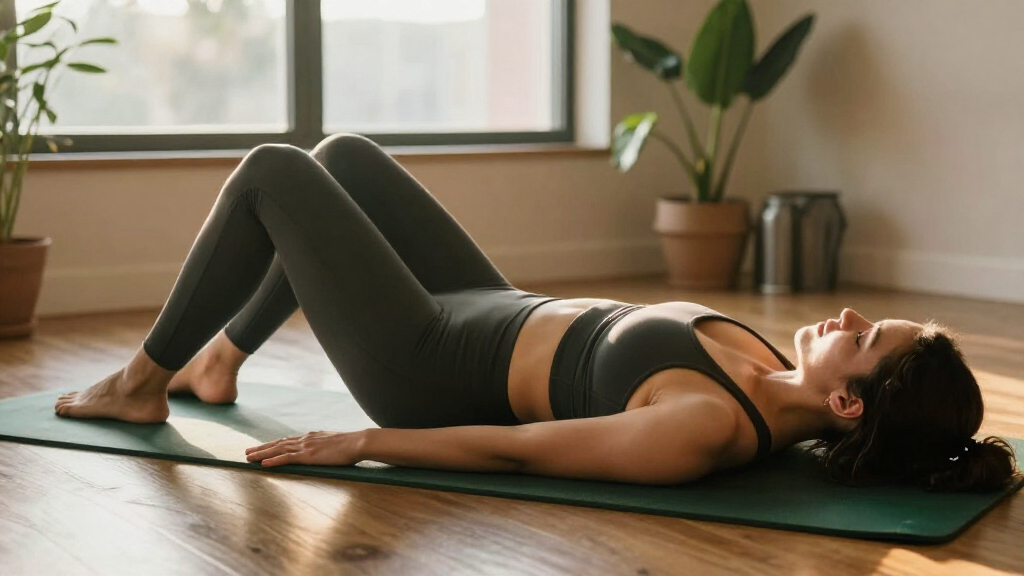
To begin, lie on your back and bring your legs into tabletop position: knees bent at about 90 degrees and stacked over the hips. Before moving, take a moment to settle the lower back against the floor. Palmiero advises drawing the belly button gently in and down and bringing the rib cage toward the hips, then keeping the pelvis and spine stable as the legs move.
Inhale to prepare. As you exhale, lower one foot from the hip until the toes lightly touch the floor. Inhale while bringing the leg back to tabletop, then repeat on the other side. The suggested practice is to alternate sides for 45 to 60 seconds, stopping or adjusting if it is difficult to maintain control. The exercise does not require a reformer or other specialist equipment.
Palmiero says beginners should prioritize form over repetition and avoid rushing. She also emphasizes breathing throughout the movement, rather than holding the breath. Once a person can perform the taps with control for the suggested interval without the lower back lifting or arching, she describes possible progressions: extending the moving leg, moving both legs together, or adding a small chest lift. These are options, not requirements for a beginner.
Begin Pilates with controlled toe taps
FS8 instructor Amelia Palmiero recommends supine toe taps to practice deep core engagement, steady breathing and controlled movement at home.
Set up with control
Lie on your back and bring your legs into tabletop, with knees bent and stacked over your hips.
Gently draw your belly button in and down; keep your pelvis and spine steady.
Exhale as you lower one foot until the toes lightly touch the floor.
Inhale as the leg returns to tabletop, then repeat on the other side.
What to focus on
The goal is to move a leg while keeping the trunk stable.
Keep your back steady
The lower back should not lift or arch as the foot moves.
Keep breathing
Coordinate each tap with your breath instead of holding it.
Move slowly
Prioritize form over repetition and stop or adjust if control is difficult.
Progress only when ready
Build toward the suggested interval only if it feels manageable and you can keep stable form.
- Practice the setup without lowering a foot.
- Try a few alternating taps at a controlled pace.
- Shorten the practice if needed to maintain control.
- Extend the moving leg.
- Move both legs together.
- Add a small chest lift.
A Mat-Based Starting Point
The exercise offers a way to practice a basic Pilates skill at home: coordinating breathing with movement while keeping the trunk steady. That makes it relevant to people who want to try mat Pilates before attending a class or using studio equipment. It also gives beginners a clear reason to slow down: the aim is controlled movement, not completing as many repetitions as possible.
Palmiero says Pilates can complement activities such as running and strength training, and recommends trying to fit in one class a week. That is her guidance, not a schedule shown here to be necessary for everyone. A single exercise cannot establish an individual’s fitness needs or promise results. People returning after injury or illness, or managing pain or a health condition, should seek advice from a qualified health professional before starting or progressing an exercise routine.
Products Worth Considering

Withings Body Scan Smart Scale with Segmental Body Composition and ECG, Black

Philips Sonicare ProtectiveClean 5300 Rechargeable Electric Toothbrush, Black, with 3 Brush Heads

Withings BeamO Contactless Smart Thermometer, ECG Monitor, and Digital Stethoscope
As an affiliate, we earn on qualifying purchases.
Learning Core Control First
The report presents toe taps as an entry point because the movement challenges a person to move one leg while maintaining a stable position through the pelvis and spine. Palmiero identifies the transverse abdominis as a deep abdominal muscle that beginners may find difficult to engage. Her instruction is to start by practicing this controlled setup, rather than adding harder variations immediately.
Palmiero is described as a certified mat and reformer Pilates instructor and head trainer at FS8 Chelsea Harbour, as well as the athletics lead for FS8 UK and Europe. The report includes her coaching advice, but it does not provide results from a clinical study or measurements of the exercise’s effects. Its broader statements about Pilates and strength, posture, balance, coordination and rehabilitation should not be read as proof that this particular drill prevents injury or treats a medical condition.
“I call it a supine toe tap but there are likely many different ways to describe it.”
— Amelia Palmiero, FS8 reformer and mat Pilates instructor
Limits of the Exercise Advice
The report does not identify a specific publication date, provide independent testing of the exercise, or quantify the claimed benefits of Pilates. It also does not set out modifications for different abilities or explain how someone should respond to pain during the movement. Palmiero’s recommendations are instructor guidance; they are not individualized medical advice. The amount of movement, duration and any progression that suits a person will vary.
Start Slowly and Reassess
Beginners can first practice the setup without lowering a foot, checking that they can breathe comfortably and keep the pelvis and lower back steady. They can then try a few alternating taps at a pace that allows control, building toward the suggested 45-to-60-second interval only if it feels manageable. Progressions should wait until the basic movement can be done without the back lifting or arching. People with a current injury, recent illness or other health concerns should get professional guidance before beginning or changing their exercise routine.
Source: rss
Key Questions
What is a supine toe tap?
It is a mat exercise performed lying on your back with both legs in tabletop position. You lower one foot to tap the floor, return it, and alternate sides while keeping the trunk steady.
How long should a beginner do toe taps?
Palmiero suggests alternating sides for 45 to 60 seconds. Beginners can work at a shorter duration or practice fewer repetitions if needed to maintain control.
What should I focus on while doing the exercise?
Focus on a steady pelvis and spine, a controlled pace and continuous breathing. The lower back should not lift or arch as the foot moves.
How can I make supine toe taps harder?
Palmiero suggests trying a longer leg extension, moving both legs together or adding a small chest lift after the basic version is controlled. These progressions are optional; stop if you cannot keep stable form.
Can this exercise prevent injury or treat back pain?
The report does not establish that toe taps prevent injury or treat pain. Anyone with back pain, an injury or a health condition should consult a qualified health professional about suitable exercise.
Source: fitandwell.com