TL;DR

Get workout gear delivered free with Prime
- Fast, free delivery on millions of items
- Prime Video, Amazon Music and more included
- Member-only deals all year
A Fit&Well report describes three coordination exercises used by a trainer in sessions with older adults: knee and opposite-arm raises, side step-outs with opposite-arm reaches, and ball catches. The trainer says the movements can be adapted for seated or standing participants; the report cites a 2019 review on possible benefits, but provides no new trial or evidence that these specific exercises prevent falls or extend life.
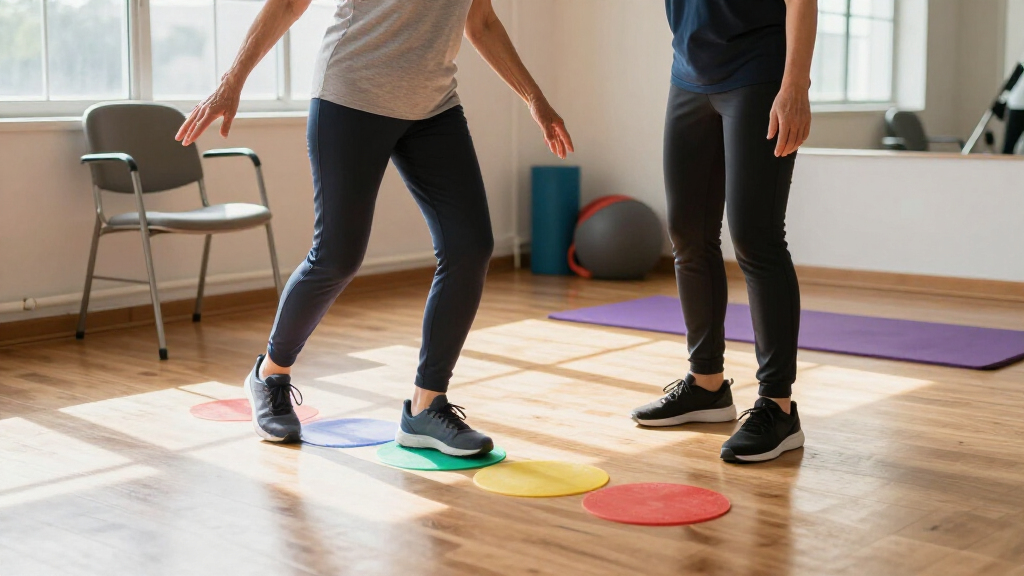
A trainer who works with older adults has described three coordination exercises she incorporates into yoga and personal-training sessions, with seated versions for people who cannot comfortably do them standing. The Fit&Well report presents the routine as a way to practise coordinated movement and balance, while citing earlier research rather than reporting a new study.
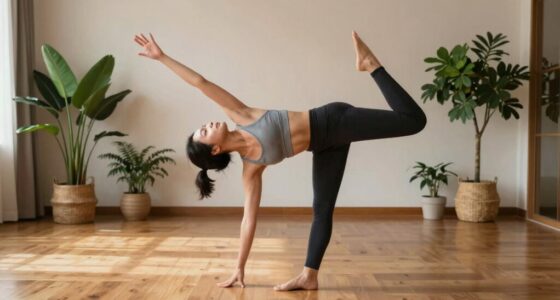
The exercises pair movement on one side of the body with a different action on the other. In a knee and opposite-arm raise, a participant lifts one knee while bringing the opposite arm forward, then alternates sides. The report suggests five to six repetitions per side, done slowly and with control. Seated participants can march in place and raise the opposite arm in front or overhead.
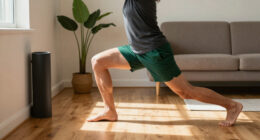
The second movement combines a side step-out and opposite-arm reach. Standing participants step to one side and reach the other arm forward; they may add a shallow side lunge if comfortable. The seated version uses a side step-out and opens the opposite arm to the side. The suggested amount is five to six repetitions on each side.
For the third exercise, participants stand near a wall, balance on one foot and underhand-throw and catch a ball after it bounces. The source recommends five to 10 throws and says participants can use one or both hands, adjust the ball size, or throw in different directions. It also offers easier options: standing on both feet or doing the activity seated. The report does not provide a clinical protocol or evidence that this exact set of movements improves health outcomes.
Coordination in Everyday Movement
The trainer says she includes coordination work to practise the connection between thinking and movement, and to support clients’ confidence and agility during routine tasks. Examples in the report include moving around other people on public transport and handling several activities at home. These are the trainer’s observations and rationale, not measured outcomes from a study of the three exercises.
The advice may be relevant to older adults looking for movement options that can be adjusted to their mobility. Offering seated alternatives makes the routine more adaptable, while the standing versions add balance demands. Readers should treat the exercises as general activity suggestions, not as a guaranteed way to prevent falls, improve cognition or extend lifespan. Anyone with a health condition, pain, or concerns about balance may want guidance from a qualified health or exercise professional before trying them.
Products Worth Considering

Oral-B iO Series 3 Rechargeable Electric Toothbrush for Adults, Black, with 2 Brush Heads and Travel Case

Philips Sonicare DiamondClean 9000 Electric Toothbrush Bundle, HX9912/72

Oura Ring 4 Smart Ring – Silver – Size 8
As an affiliate, we earn on qualifying purchases.
The Research Cited by Fit&Well
The report places coordination work alongside strength training, which it describes as one established part of exercise for ageing well. Its supporting research reference is a 2019 review of balance and coordination exercises in older adults. Fit&Well says that review found potential improvements in cognitive processes such as spatial awareness, as well as postural control and stability in distracting environments.
The source does not name the review, provide its methods or results, or explain how its findings compare across different types of exercise. It also does not say that the review tested the three movements in this article. The trainer’s routine is therefore best understood as practical guidance informed by the general subject of coordination training, rather than a validated treatment or a program with a stated clinical dose.
““I always incorporate coordination training into my chair-based yoga classes and personal training sessions with older adults.””
— The trainer, in the Fit&Well report
Evidence and Safety Limits
The report does not identify the trainer by name in the supplied material, give the publication date, or link details for the 2019 review beyond its year and topic. It also provides no new research, participant data or follow-up results. It is unclear whether the cited review examined exercises like these or whether any benefits were sustained over time.
Individual ability varies, and the article does not set out screening criteria or advice for people with specific conditions. The source does not establish that the exercises reduce falls, improve memory or increase longevity. Those outcomes should not be inferred from its account of a trainer’s practice or the brief description of the review.
How to Use the Routine
Fit&Well’s report gives a short routine and repetition ranges but does not announce a study, follow-up or formal training plan. Readers who try the movements can choose seated or standing versions and keep the pace controlled, as described in the source. The ball exercise should be done in a space where a missed catch will not create a hazard.
For a fuller assessment of the evidence, the review’s title, methods and findings would need to be checked, alongside any future research that tests specific coordination programs with older adults. Until then, the article’s main development is the trainer’s practical description, not a new clinical finding.
Key Questions
Which coordination exercises does the trainer recommend?
The report describes a knee lift with the opposite arm, a side step-out with an opposite-arm reach, and a ball throw-and-catch exercise.
Can the exercises be done seated?
Yes. The report offers seated alternatives for all three movements, including a controlled seated march, side step-out and arm opening, and catching a ball while seated.
Does the report show that these exercises prevent falls?
No. It describes a trainer’s routine and cites a 2019 review on balance and coordination exercises, but does not report evidence that these specific movements prevent falls.
How many repetitions does the report suggest?
It suggests five to six repetitions per side for the first two movements and five to 10 throws for the ball exercise. These are the report’s suggestions, not an individualized prescription.
Source: rss