When it comes to cycling, finding the right balance between cadence and speed is key to your performance. A higher cadence (80-100 RPM) enhances climbing efficiency, reduces fatigue, and helps you sustain energy over longer rides. Pushing speed at the expense of cadence can lead to quicker exhaustion. By monitoring both aspects, you can optimize your ride quality and endurance. Discover how to effectively apply these insights to your cycling routine for better results.
Listen free for 30 days with Audible
Thousands of audiobooks and originals — cancel anytime.
As an affiliate, we earn on qualifying purchases.
Key Takeaways
- Cadence significantly influences pedaling efficiency and climbing performance, often outweighing speed in terms of endurance and energy management.
- Optimal cadence for climbing is typically between 80-100 RPM, fostering better aerobic engagement and energy preservation.
- Maintaining a steady cadence helps manage fatigue, allowing cyclists to sustain effort over longer distances or challenging terrains.
- Focusing too much on speed can lead to quicker exhaustion, while a higher cadence promotes a more sustainable riding experience.
- Using tools to monitor cadence can enhance performance by helping cyclists find their optimal balance between cadence and speed based on conditions.
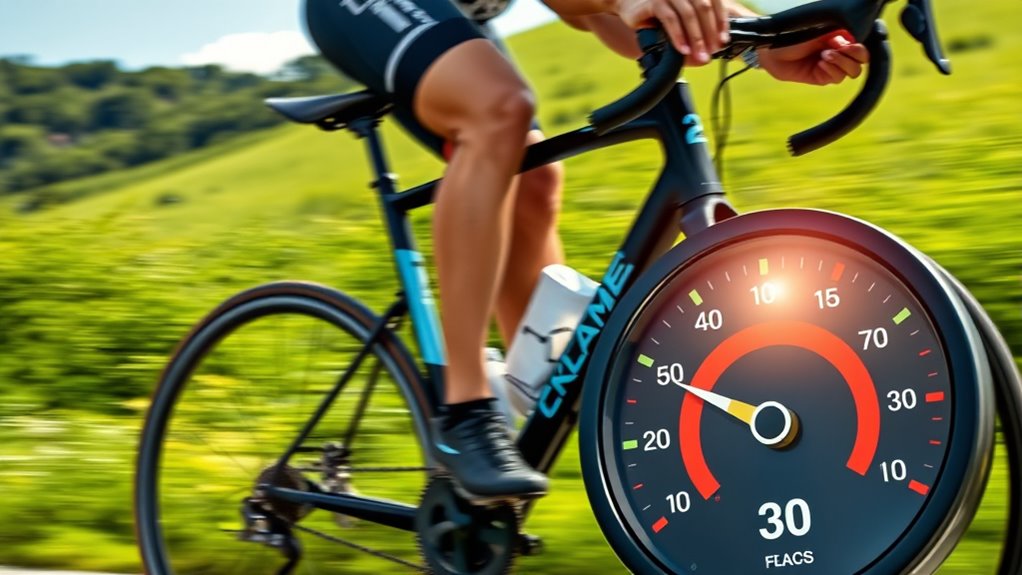
When you hop on your bike, understanding the relationship between cycling cadence and speed can make a world of difference in your performance. Cadence refers to how fast you turn the pedals, typically measured in revolutions per minute (RPM). The intricacies of this relationship can greatly impact your climbing efficiency and fatigue management, especially during long rides or challenging terrains.
Finding the right cadence for your body and the conditions you’re riding in is essential. For instance, a higher cadence often allows for better climbing efficiency. When you maintain a cadence of around 80 to 100 RPM, you engage your aerobic system effectively, which helps you climb hills with less strain on your muscles. This means you can preserve energy, allowing you to tackle challenging ascents without burning out too quickly. If you push a lower cadence while climbing, you might find yourself relying too much on your leg strength, leading to quicker fatigue.
On the flip side, if you push for speed without considering your cadence, you may struggle to maintain that pace over longer distances. A balance is key. Think about how your body feels when you’re pedaling at different cadences. You might notice that a higher cadence can feel easier and more sustainable, especially when you’re aiming for longer rides. By focusing on maintaining a steady rhythm, you’re not just improving your speed; you’re also managing fatigue more effectively throughout your ride.
Incorporating cadence into your training can provide you with insights on how to optimize your performance. Consider using a cycling computer or an app to track your cadence and speed. This data can help you identify patterns and preferences, allowing you to adjust your style according to the terrain. Experimenting with your cadence during different rides can help you find the sweet spot that maximizes your speed while minimizing fatigue.
Ultimately, understanding how cadence influences speed can help you make better decisions on the bike. When you’re climbing, aim for a higher cadence to improve efficiency, and during flat stretches, you might choose to push a bit harder while maintaining a sustainable rhythm. By honing in on this relationship, you’ll enhance your overall cycling experience and performance, making each ride more enjoyable and rewarding.
As an affiliate, we earn on qualifying purchases.
Frequently Asked Questions
How Does Terrain Affect Cycling Cadence and Speed?
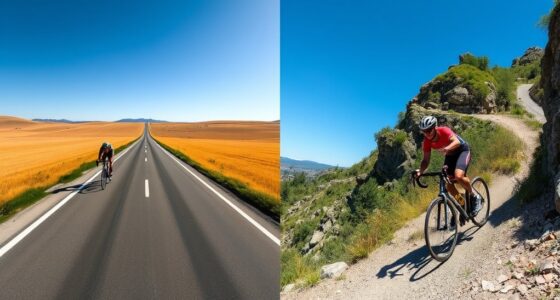
Terrain plays a big role in cycling cadence and speed. When you’re tackling steep hills, you’ll likely shift to lower gears, which can increase your cadence but may reduce your overall speed. On flat surfaces, you can maintain a higher speed with a more moderate cadence. You’ll need to adjust your gear selection based on the terrain, ensuring you optimize both your cadence and speed for the best performance.
What Gear Should I Use for Optimal Cadence and Speed?
For ideal cadence and speed, you should focus on gear selection that keeps you in the right cadence zones. Generally, use a lower gear when climbing or tackling tough terrain to maintain a higher cadence, while shifting to a higher gear on flat stretches for speed. Listen to your body and adjust accordingly; finding that sweet spot between cadence and gear will enhance your overall cycling efficiency and performance.
Can Cadence Training Improve My Overall Cycling Performance?
Yes, cadence training can substantially improve your overall cycling performance. By focusing on cadence efficiency, you’ll develop a smoother pedal stroke and enhance your endurance. This leads to better energy management and allows you to ride longer distances without fatigue. As you optimize your performance, you’ll notice improvements in speed and power output. Incorporating cadence drills into your routine helps you find that sweet spot, making your cycling experience more enjoyable and effective.
How Do I Measure My Cycling Cadence Accurately?
Imagine you’re a maestro, conducting a symphony. To measure your cycling cadence accurately, you’ll need a reliable cadence measurement tool. Clip a cadence sensor to your crank arm or use a cycling computer with built-in tracking. These gadgets provide precise readings, ensuring you stay in rhythm. As you pedal, monitor the data to fine-tune your performance, just like a conductor adjusting tempo. With accurate tracking, you’ll harmonize your efforts and ride with finesse.
Does Cycling Cadence Impact Endurance in Long Rides?
Yes, cycling cadence can markedly impact your endurance during long rides. By maintaining cadence consistency, you help your muscles adapt and build endurance over time. When you pedal at a steady rhythm, it reduces fatigue and promotes efficient energy use. This allows you to sustain your effort longer, enhancing your overall performance. So, focus on finding a comfortable cadence that works for you, and watch your endurance improve on those long rides.
As an affiliate, we earn on qualifying purchases.
Conclusion
In the dance of cycling, cadence and speed are two partners that move in harmony. While speed might seem like the star of the show, cadence is the steady heartbeat that fuels your ride. Finding the right balance between the two is like tuning an instrument—when they harmonize, you’ll soar with effortless grace. So, as you pedal through the open road, remember: it’s not just about how fast you go, but how beautifully you flow.
cycling computer with cadence tracking
As an affiliate, we earn on qualifying purchases.
As an affiliate, we earn on qualifying purchases.
As an affiliate, we earn on qualifying purchases.
Fall yard work Picks
leaf blowers
As an affiliate, we earn on qualifying purchases.