
To swim longer without getting tired, focus on mastering your breathing techniques. Use rhythmic patterns and exhale underwater to stay calm. Improve your stroke efficiency by making smooth, gliding movements and maintaining a streamlined body position. Incorporate drills to enhance your technique and mix up your workouts for variety. Consistent practice builds stamina and keeps you motivated. Keep going, and you’ll discover more tips to enhance your swimming endurance and performance.
Key Takeaways
- Practice rhythmic breathing techniques to enhance oxygen intake and reduce panic during swimming.
- Focus on smooth, gliding strokes to increase distance while conserving energy.
- Incorporate drills, such as kicking and pull buoy exercises, to improve stroke efficiency and technique.
- Swim regularly with a mix of distance and speed intervals to build endurance and prevent fatigue.
- Maintain a streamlined body position to minimize water drag and optimize performance.

Whether you’re training for a competition or just looking to enjoy the water longer, improving your stamina in swimming is essential. To swim longer without getting tired, you need to focus on two main aspects: breathing techniques and stroke efficiency. By honing these skills, you can increase your endurance and make your time in the water more enjoyable.
First, let’s talk about breathing techniques. Many swimmers tend to hold their breath or breathe too quickly, which can lead to fatigue. Instead, practice a rhythmic breathing pattern. Try to exhale underwater and inhale quickly when you turn your head to the side. This not only helps you take in more oxygen but also keeps your body relaxed. You might find that counting your strokes can help synchronize your breathing. For instance, you could aim to take a breath every three or five strokes, maintaining a steady and calming rhythm. This will help you stay focused and reduce the panic that can sometimes arise during longer swims.
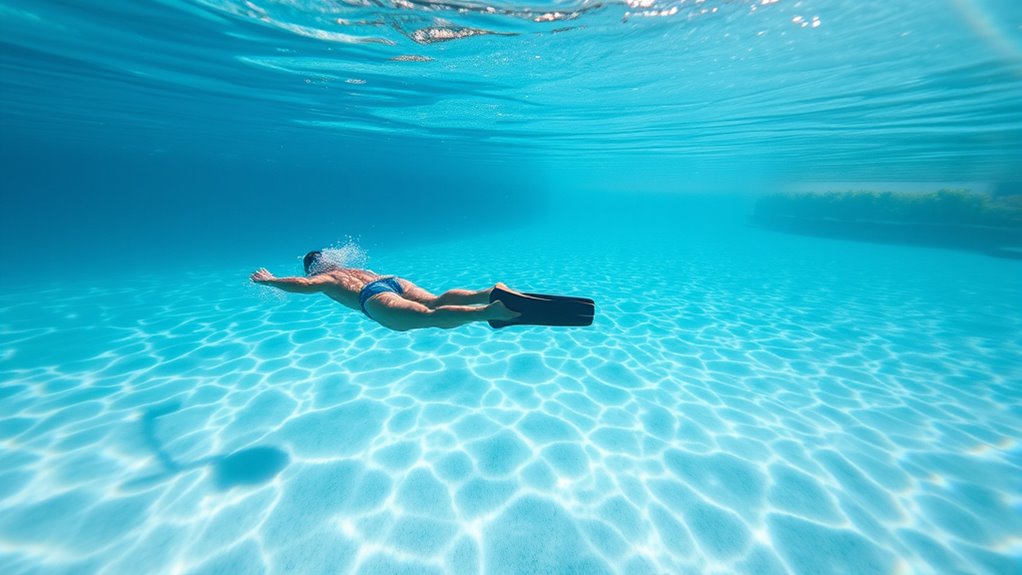
Next, let’s focus on stroke efficiency. The way you swim can considerably affect how long you can sustain your efforts in the water. Concentrate on making your strokes smooth and fluid rather than fast and choppy. Long, gliding strokes will allow you to cover more distance with less energy. Pay attention to your body position as well; keeping your body streamlined reduces drag and helps you move more efficiently through the water. A well-executed stroke will involve proper arm movement, a strong kick, and an engaged core. If you find you’re wasting energy with unnecessary movements, reevaluate your technique and make adjustments.
Incorporating drills into your training can also enhance both your breathing and stroke efficiency. For instance, try a drill that focuses solely on kicking while holding onto the wall, allowing you to concentrate on your body position and breathing. Alternatively, practice swimming with a pull buoy to isolate your arm strokes and improve your upper body strength.
Lastly, consistency is vital. The more you swim, the better your body will adapt to the demands of the activity. Incorporate varied workouts into your routine, mixing distance swims with speed intervals. This will not only build stamina but also keep your training enjoyable. By focusing on your breathing techniques and stroke efficiency, you’ll find yourself swimming longer and feeling less tired. Additionally, using an online tool to detect passive voice can help improve your writing clarity and effectiveness.
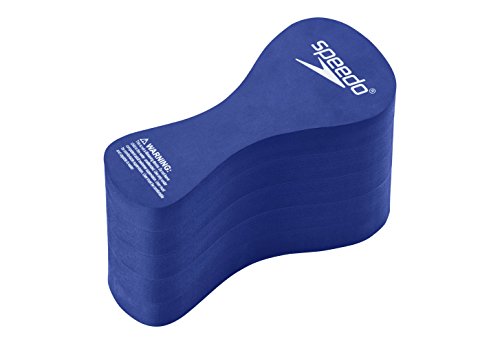
Speedo Unisex-Adult Swim Training Pull Buoy, Blue, One Size
Elevates hips and legs to promote proper positioning
As an affiliate, we earn on qualifying purchases.
As an affiliate, we earn on qualifying purchases.
Frequently Asked Questions
What Are the Best Swimming Strokes for Endurance?
The best swimming strokes for endurance are freestyle and breaststroke. Freestyle efficiency allows you to cover more distance with less energy, while mastering breaststroke techniques can help you maintain a steady rhythm. Focus on your breathing and body position in freestyle to minimize drag, and use a strong kick in breaststroke to propel yourself forward. By combining these two strokes, you can build stamina and swim longer without feeling exhausted.
How Often Should I Practice Swimming for Stamina?
You should aim to practice swimming at least three to four times a week for stamina. Create a training schedule that incorporates various strokes and distances. Balance your practice with rest and recovery days to let your body heal and adapt. Listen to your body—if you feel overly fatigued, it’s okay to take a break. Consistency is key, but so is ensuring you’re not overworking yourself.
Can Diet Affect My Swimming Endurance?
Absolutely, diet can make or break your swimming endurance. Imagine pushing through laps, but your energy dips halfway. That’s where nutrition planning comes in. Fueling your body with the right carbs and proteins before workouts can enhance your stamina. Don’t forget hydration strategies, either—dehydration can zap your energy quickly! So, focus on a balanced diet and stay hydrated, and you’ll find yourself swimming longer and feeling stronger.
What Are Common Mistakes That Reduce Swimming Efficiency?
Common mistakes that reduce your swimming efficiency include improper breathing techniques and poor body positioning. If you hold your breath or exhale too late, you’ll disrupt your stroke rhythm. Likewise, if your body isn’t in a streamlined position, you’ll create more drag in the water. Focus on maintaining a steady breath pattern and keeping your body flat and aligned. This way, you’ll swim more efficiently and conserve energy for longer distances.
How Do I Prevent Injuries While Swimming Longer?
To keep injuries at bay while swimming longer, think of your body as a finely tuned machine. You need proper breathing techniques to maintain a steady rhythm and avoid strain. Pay attention to your swimsuit selection, too; a suit that fits well supports your movements without causing discomfort. Don’t forget to warm up and cool down, and listen to your body. If something feels off, don’t hesitate to take a break.

Ray-Board Kickboard (Purple, Adult/Large)
Ergonomic kickboard for swimming training. Patented shape promotes natural position, arms bent to relieve and ease pain in…
As an affiliate, we earn on qualifying purchases.
As an affiliate, we earn on qualifying purchases.
Conclusion
In the grand tapestry of swimming, extending your endurance isn’t just about physical strength; it’s about embracing the rhythm of the water. By honing your technique, pacing yourself, and nurturing your breath, you invite a harmonious flow that elevates your experience. So, as you glide through the waves, remember that each stroke is not merely a test of stamina but a joyful dance with the liquid embrace of the pool. Enjoy the journey, and let your spirit soar.

TYR Flexfin 2.0 Rubber Swim Fins – Adult Swimming Gear for Pool Lap Swimming, Training – Blade Fins Promote Proper Movement Through Legs and Feet – 100% Rubber – Color Coded – XL, Black
BUILD EXPLOSIVE KICK STRENGTH: The fin's short blade design helps swimmers develop powerful, quick kicks while strengthening leg…
As an affiliate, we earn on qualifying purchases.
As an affiliate, we earn on qualifying purchases.
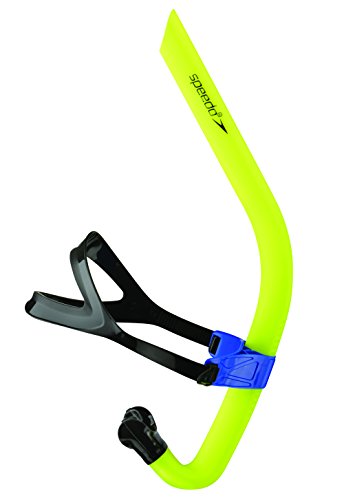
Speedo Unisex-Adult Swim Training Snorkel Bullet Head
Engineered with the most hydrodynamic features
As an affiliate, we earn on qualifying purchases.
As an affiliate, we earn on qualifying purchases.