Sweating more during a cardio workout doesn’t necessarily mean you’re getting a better workout. Factors like genetics, environment, and hydration play a significant role in sweat production. Your workout intensity is better measured by heart rate and how you feel rather than how much you sweat. Remember, the goal is overall fitness and health benefits, not just a sweat puddle. If you want to learn more about workout effectiveness, keep exploring the details!
Key Takeaways
- Sweating levels vary by individual due to genetics, fitness, and acclimatization, not necessarily reflecting workout intensity.
- Environmental factors like temperature and humidity can influence sweat production regardless of exercise effort.
- Heart rate and perceived exertion are more accurate indicators of workout intensity than sweat volume.
- Proper hydration enhances sweating efficiency and supports better workout performance, while dehydration can decrease sweat output.
- The effectiveness of cardio workouts is measured by health benefits and endurance improvements, not just the amount of sweat produced.

Have you ever wondered if sweating more during your cardio workout really indicates a better session? You might think that the more you sweat, the harder you’re working. While it’s true that sweating can be a sign of increased exertion, it doesn’t always correlate directly with workout intensity. In fact, several factors influence how much you sweat, and understanding these can help you gauge your performance more accurately.
Firstly, everyone’s body is different. Some people naturally sweat more than others, regardless of the intensity of their workout. Genetics, fitness level, and even acclimatization to heat play significant roles in how much you perspire. So, even if you’re pushing yourself hard, you may not sweat as much as someone else who’s exerting less effort but is simply prone to sweating. It’s essential to recognize that sweat isn’t a definitive measure of how effective your cardio session is.
When it comes to workout intensity, various factors can push you into a higher heart rate zone without necessarily leading to excessive sweating. For example, if you’re exercising in a cooler environment, you might not sweat as much despite a high-intensity workout. On the other hand, a less intense session in a hot, humid atmosphere could have you drenched in no time. This discrepancy highlights the importance of focusing on how you feel and your heart rate, rather than just the amount you’re sweating.
Hydration is another critical factor to keep in mind. When you’re well-hydrated, your body regulates temperature more effectively, which can influence how much you sweat. If you’re dehydrated, you might sweat less, even if you’re working hard. This is why understanding hydration importance can’t be overstated. Staying properly hydrated helps maintain your performance, allowing you to push harder during your workouts. Remember, sweating is just one part of the equation.
Ultimately, the goal of cardio isn’t just to sweat more; it’s to improve your cardiovascular health, endurance, and overall fitness. Instead of focusing on the puddle beneath you, pay attention to how your body feels and your heart rate. Challenge yourself, stay hydrated, and listen to your body. That’s the real measure of a successful workout, not just the sweat on your brow. Additionally, learning strategies for grocery savings can help you invest in healthier foods to support your fitness journey.
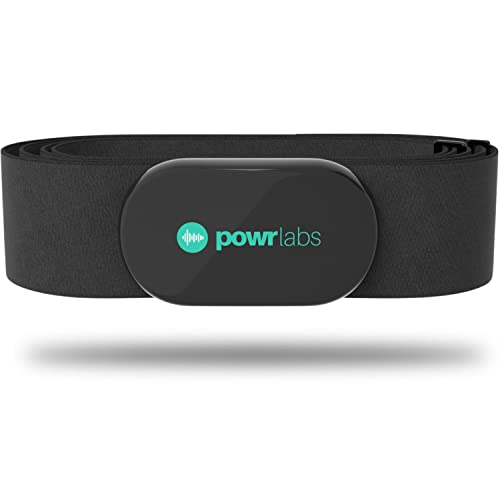
Powr Labs Bluetooth and ANT+ Heart Rate Monitor Chest Strap – All Day Comfort, Easy Connectivity – Compatible with Polar, Garmin, Peloton, Wahoo
ZERO CONNECTION HEADACHES – WORKS WITH EVERYTHING – Dual ANT+ Bluetooth syncs flawlessly to cycling computers smart watches,…
As an affiliate, we earn on qualifying purchases.
As an affiliate, we earn on qualifying purchases.
Frequently Asked Questions
Does Sweating Indicate Calorie Burn During a Workout?
Sweating doesn’t directly indicate calorie burn during a workout. While higher exercise intensity often leads to more sweat, it’s not a reliable measure of calories burned. You might sweat buckets but still burn fewer calories than during a less sweaty session. To estimate calorie burn more accurately, consider factors like heart rate and duration. Focus on pushing your limits rather than just sweating; that’s where the real benefits lie.
Can I Sweat More by Increasing Workout Intensity?
Yes, you can sweat more by increasing your workout intensity. When you push yourself harder during exercise, your body generates more heat, leading to a higher sweat volume as it works to cool down. This means that as you elevate the intensity of your workouts—whether through faster running, heavier lifting, or shorter rest periods—you’ll likely notice increased sweating. Just remember, sweating isn’t the only indicator of a good workout; pay attention to how you feel!
Is Sweating More Beneficial in Cooler Environments?
Sweating more in cooler environments isn’t typically beneficial. You might find it surprising, but sweat evaporation cools your body down effectively. In cooler conditions, your body doesn’t need to sweat as much to regulate temperature, which can make your workout feel less intense. However, if you’re sweating heavily, it could indicate you’re working hard. Just remember, it’s the efficiency of your workout that counts, not just the amount of sweat you produce.
How Does Hydration Affect My Sweating During Exercise?
Hydration levels are crucially important for your sweating during exercise. When you’re well-hydrated, your body regulates temperature efficiently, leading to more effective sweating. If you’re dehydrated, your sweat production may decrease, impacting your performance. Maintaining electrolyte balance is vital, too; electrolytes help retain fluids and support muscle function. So, drink water before, during, and after your workouts to stay hydrated and optimize your sweat response for better exercise results.
Does Diet Influence How Much I Sweat While Working Out?
Yes, your diet can influence how much you sweat during workouts. Foods high in sodium or spices can increase sweat production, while hydration levels also play a vital role. If you’re well-hydrated, you might sweat more efficiently, especially during longer workout durations. On the flip side, a heavy meal before exercising might make you sweat less as your body focuses on digestion. So, what you eat matters for your sweating response!

Waterboy – Workout Hydration, Variety Pack, Sugar Free Electrolytes Powder Drink Mix – 30ct Hydration Packets
1 IS BETTER THAN 2: Our 1 stick is equivalent to 3+ sticks of the competition in regard…
As an affiliate, we earn on qualifying purchases.
As an affiliate, we earn on qualifying purchases.
Conclusion
So, does sweating more really mean you’re getting a better cardio workout? Not necessarily. While sweating can indicate your body’s effort to cool down, it’s not the ultimate measure of a workout’s effectiveness. Instead, focus on your heart rate, endurance, and how you feel during and after your session. After all, a great workout isn’t just about the sweat on your brow; it’s about the strength you build inside and out. Keep pushing, and enjoy the journey!

Fitness Tracker with Heart Rate/Blood Pressure/Pedometer/Calories/Sleep, Activity Tracker with 1.1"" AMOLED Screen, Step Tracker for Android iPhones Women Men
【All-day Health Monitor】The fitness tracker watch will automatically track your real-time heart rate, blood pressure and blood oxygen…
As an affiliate, we earn on qualifying purchases.
As an affiliate, we earn on qualifying purchases.

FOGFIRE Mens Sweatpants with Zipper Pockets Lightweight Athletic Joggers for Workout Running Gym Track Casual Wear Black Medium
Equipped with two secure side zipper pockets to keep your essentials (keys, phone, cards) safe during any activity….
As an affiliate, we earn on qualifying purchases.
As an affiliate, we earn on qualifying purchases.