To design a beginner workout split, focus on balancing effort and recovery while targeting major muscle groups. Start with full-body workouts 2-3 times a week or alternate upper and lower body sessions to keep things manageable. Incorporate rest days for muscle repair and include variety to avoid boredom. Use basic equipment like dumbbells or bodyweight exercises, and track your progress to stay motivated. If you keep exploring, you’ll discover how to customize your routine for long-term success.
Key Takeaways
- Choose a workout split that targets major muscle groups 2-3 times weekly, such as full-body or upper/lower body routines.
- Incorporate rest days to allow muscle repair and prevent burnout.
- Balance workout intensity and recovery based on your fitness level and schedule.
- Include variety to prevent boredom and adapt the plan as you progress.
- Track your progress and adjust the split to ensure continuous improvement.
Starting a workout routine can feel overwhelming, especially if you’re unsure how to structure your training days. The key is to create a plan that balances effort and recovery, helping you build strength without burning out. When designing your workout split, consider your fitness goals, schedule, and available workout equipment. A well-structured plan keeps you consistent and motivated, making it easier to track progress and stay committed.
Create a balanced workout plan tailored to your goals, schedule, and equipment for lasting motivation and progress.
For beginners, a good starting point is a full-body workout split, where you target major muscle groups in each session. This approach allows you to train multiple muscle groups multiple times a week, promoting balanced development. To maximize your results, pay attention to nutrition tips as well. Eating a balanced diet rich in protein, healthy fats, and carbs fuels your workouts and aids recovery. Hydration is equally important; drinking plenty of water keeps your muscles functioning at their best and prevents fatigue. Incorporating proper recovery strategies is also essential for avoiding injury and maintaining progress.
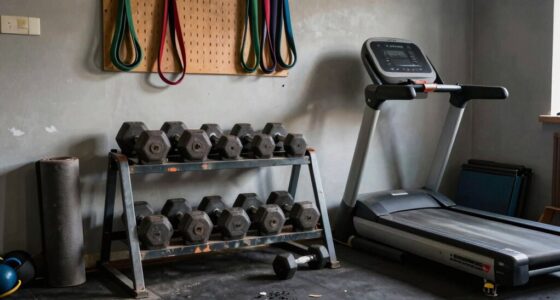
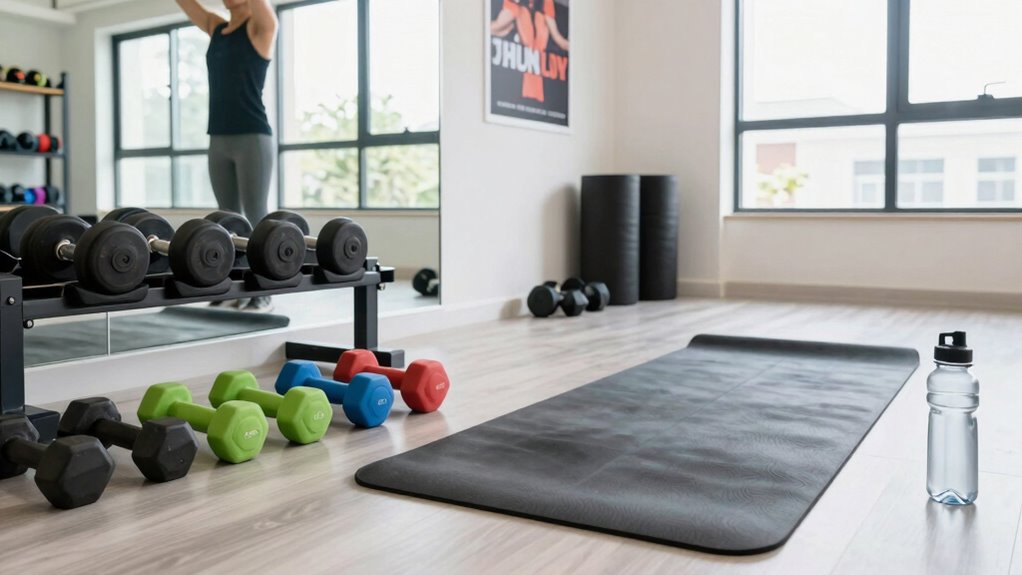
When it comes to workout equipment, you don’t need a fully stocked gym to get started. Basic items like dumbbells, resistance bands, or a stability ball can be very effective for beginners. If you prefer bodyweight exercises, you can perform push-ups, squats, and planks without any equipment at all. As you progress, you might consider investing in more versatile equipment like a bench or adjustable dumbbells, but start simple to build a routine you can stick to. Incorporating full audit trails and security scanning can also help ensure your training plan stays consistent and secure, especially if you’re tracking progress digitally. Additionally, understanding proper exercise technique is crucial to prevent injuries and maximize the effectiveness of your workouts. Exploring the science behind sound vibrations and their influence on muscle recovery might offer additional benefits as you advance.
In designing your split, think about how many days you can commit each week. For example, if you plan to train three times a week, you might alternate between full-body workouts or split your days into upper and lower body sessions. For more frequent training, a push-pull-legs split works well, giving each muscle group enough time to recover. Remember to include rest days, which are just as important as workout days, allowing your muscles to repair and grow.
Consistency is the foundation of progress. Keep your workouts manageable and enjoyable, and don’t forget to listen to your body. Incorporate variety to prevent boredom and plateaus, and continually tweak your plan based on how you feel and your evolving fitness level. By paying attention to nutrition, choosing appropriate workout equipment, and designing a split that fits your schedule, you set yourself up for success. Over time, this approach will help you develop a sustainable routine that leads to real, lasting results.
As an affiliate, we earn on qualifying purchases.
Frequently Asked Questions
How Long Should I Rest Between Workout Days?
You should rest 24 to 48 hours between workout days to allow proper recovery. This rest period supports your nutrition planning by giving your muscles time to repair and grow, which enhances progress. It also helps prevent injuries caused by overtraining. Listen to your body; if you’re overly sore or fatigued, extend your rest. Consistent rest days promote injury prevention and guarantee you stay energized for each workout.
Can I Customize My Split Based on My Goals?
Yes, you can customize your workout split based on your goals, and it’s like tailoring a suit that fits perfectly! To succeed, combine your plan with solid nutrition planning and motivation strategies. Focus on exercises that target your priorities, whether building strength or endurance. Adjust your split as you progress, keeping it aligned with your goals. This personalized approach keeps you motivated and guarantees steady progress in your fitness journey.
How Do I Avoid Overtraining With a New Split?
To avoid overtraining with a new split, you should listen to your body and incorporate proper nutrition planning. Make certain you’re eating enough protein, carbs, and healthy fats to fuel recovery. Don’t push through pain or excessive fatigue—rest days are essential for injury prevention. Gradually increase workout intensity and volume, and include varied exercises to prevent overuse. Prioritize rest and balanced nutrition to stay healthy and maximize progress.
Should I Include Cardio in My Workout Split?
Including cardio in your workout split can boost your overall fitness, as studies show it improves heart health and endurance. Cardio benefits aren’t just physical; they also enhance mental clarity and reduce stress. Incorporating variety keeps your routine engaging and prevents plateaus. So, yes, adding some cardio offers essential benefits, complements strength training, and keeps your workouts balanced and interesting. Aim for 2-3 sessions weekly for best results.
How Often Should I Change My Workout Split?
You should change your workout split every 6 to 8 weeks to keep challenging your muscles and avoid plateaus. Incorporate exercise variety to target different muscle groups and prevent boredom. Also, consider recovery strategies like rest days and stretching, which help your muscles recover and grow. Listening to your body is key—if you feel fatigued or no longer see progress, it’s time to adjust your split.
As an affiliate, we earn on qualifying purchases.
Conclusion
Remember, finding the right workout split is like discovering your personal rhythm—you’ll enjoy the process even more. Be patient as you gently explore different routines, and don’t be afraid to tweak things along the way. Celebrate small wins and keep an open mind. With consistent effort and a positive attitude, you’ll gradually build strength and confidence. Embrace the journey, and soon, your fitness routine will become a delightful part of your daily life.
As an affiliate, we earn on qualifying purchases.
stability ball exercise equipment
As an affiliate, we earn on qualifying purchases.
As an affiliate, we earn on qualifying purchases.