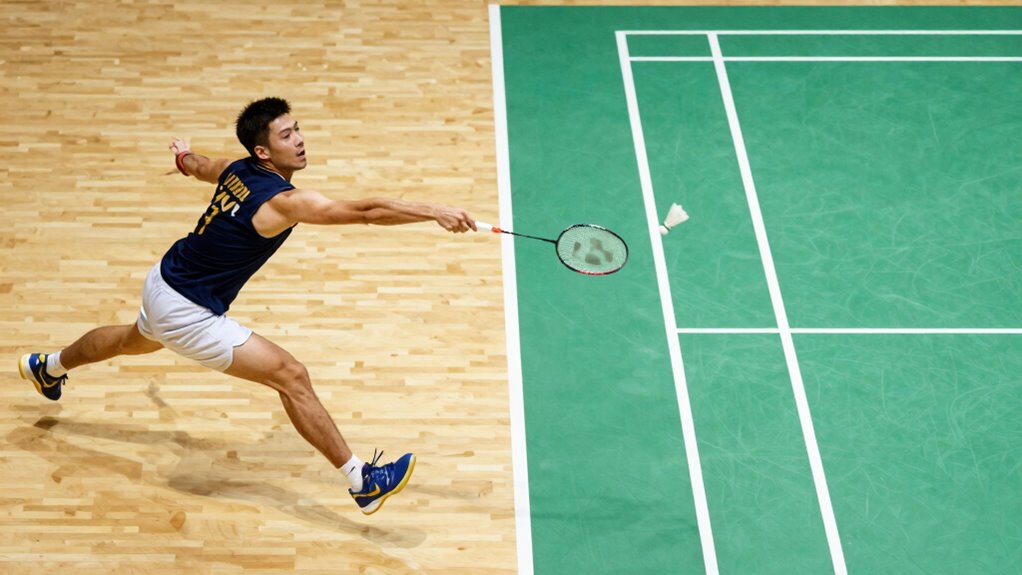

Both badminton and tennis challenge you physically and mentally, but in different ways. Badminton requires quick reflexes, explosive movements, and agility over a smaller court, demanding speed and precision. Tennis involves endurance, power, and longer rallies across a larger court, testing stamina and strength. Each sport has unique equipment and maintenance needs that affect performance. To understand which is more demanding for you, explore the details further below.

Get workout gear delivered free — and shop member deals
- Fast, free delivery on millions of items
- Access to Prime Big Deal Days deals on October 6–7
- Prime Video, Amazon Music and more included
Key Takeaways
- Tennis requires greater endurance due to longer matches and larger court coverage, making it more physically demanding overall.
- Badminton demands rapid, explosive movements and quick reflexes on a smaller court, emphasizing agility and speed.
- Tennis equipment is heavier and less durable, requiring more strength and maintenance, adding to its challenge.
- Longer rally durations and continuous running in tennis increase fatigue and stamina requirements.
- Both sports need specialized training; tennis emphasizes stamina, while badminton focuses on agility and quick reactions.
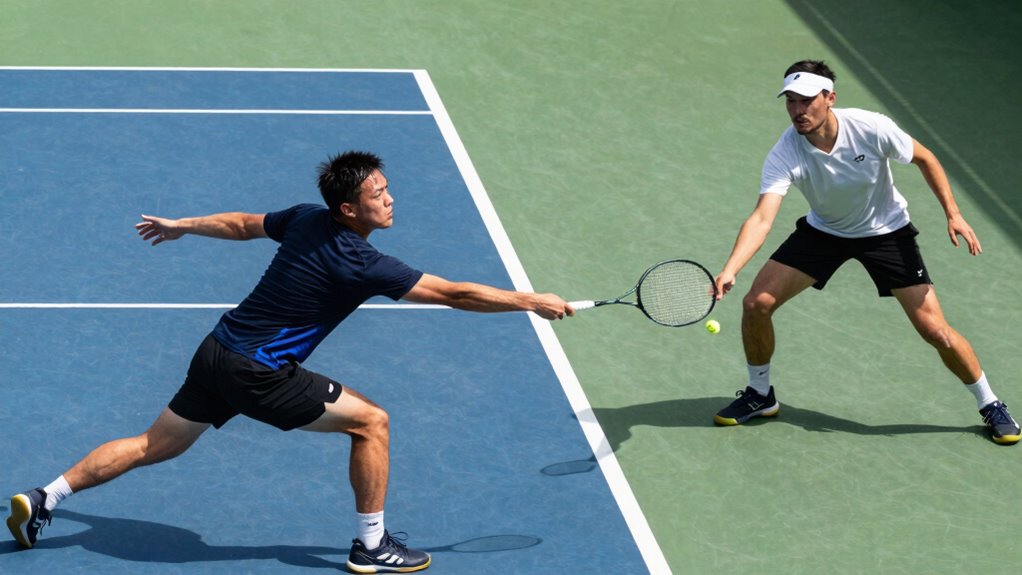
When comparing badminton and tennis, it’s clear that while both are fast-paced racquet sports enjoyed worldwide, they differ markedly in gameplay, equipment, and court setup. One key difference lies in the equipment you use and how it influences both durability and your stamina. Badminton rackets are generally lighter, often weighing between 80 to 100 grams, which means they require less strength to handle for extended periods. Tennis rackets, on the other hand, tend to be heavier, ranging from 300 to 350 grams, demanding more from your muscles and testing your endurance over long matches. The shuttlecock used in badminton is made of feathers or synthetic materials, which are less prone to wear and tear, making equipment durability less of an issue. Tennis balls, however, are subjected to constant impact and friction, which can cause them to lose their bounce and require replacement more frequently, especially during intense rallies. Proper equipment maintenance can significantly influence your performance and longevity in each sport. Your ability to sustain high-level play depends heavily on your endurance, and this is where the games diverge considerably. Badminton involves rapid, explosive movements with quick shifts in direction, demanding exceptional agility and cardiovascular fitness. The short, intense rallies mean you need to recover quickly and maintain your energy for fast-paced exchanges. Tennis matches can last several hours, with long rallies that test your stamina and mental toughness. The physical toll of continuous running, especially on larger courts, can be exhausting, requiring you to have exceptional endurance to stay competitive through multiple sets. The court size also affects your physical demands: badminton courts are smaller, which means less running but more frequent quick movements, while tennis courts force you to cover more ground, increasing overall fatigue. In terms of equipment durability, badminton gear tends to last longer because the lightweight rackets and feathered shuttlecocks experience less wear during play. Tennis equipment, especially balls, wear out faster due to persistent impact and friction, meaning you’ll need to replace them more often if you play regularly. This difference impacts how you approach training and match preparation. If you want a game that emphasizes speed and quick reflexes with less strain on your equipment, badminton might be more suitable. Conversely, if you’re looking for a sport that challenges your endurance over longer periods and demands more robust equipment, tennis could be more challenging. Additionally, the training regimen required for each sport varies greatly, influencing how athletes prepare physically and mentally. Understanding the specific physical demands of each game can help players tailor their training to improve performance and reduce injury risk. Moreover, proper technique is crucial for minimizing injury and maximizing efficiency in both sports, especially given their differing physical demands. Ultimately, both sports push your physical limits, but the specific demands on your equipment and endurance make each game uniquely tough.
As an affiliate, we earn on qualifying purchases.
Frequently Asked Questions
How Do Injury Rates Compare Between Badminton and Tennis Players?
You’ll find injury rates are generally higher in tennis than badminton, mainly due to the intense, high-impact movements. To reduce injury risks, focus on injury prevention strategies like proper warm-ups, stretching, and strengthening exercises. If injuries occur, applying effective rehabilitation techniques helps you recover faster. Both sports require awareness of overuse injuries, but tennis players often face more stress on joints, making injury prevention and rehab essential for staying active.
Which Sport Requires More Strategic Planning During Matches?
You’ll find tennis demands more strategic planning during matches because it involves more tactical depth. You need to analyze your opponent’s weaknesses, adapt your shots, and manage long rallies, which tests your mental endurance. Badminton, while fast-paced, relies more on quick reflexes and agility. So, if you enjoy deep strategic thinking and maintaining mental focus throughout extended points, tennis challenges you more in these areas.
Are There Differences in Player Stamina Needs?
You’ll find that stamina demands differ sharply between badminton and tennis. Badminton’s endurance variation is intense, requiring explosive speed and quick recovery, almost like sprinting through a lightning storm. Tennis demands steady, sustained stamina over long matches with endurance variation that tests your ability to maintain focus and energy. Both sports push your stamina needs to their limits, but badminton often demands more rapid bursts, while tennis calls for enduring resilience.
How Do Training Regimes Differ for Each Sport?
You train differently for badminton and tennis due to their unique demands. Badminton focuses on quick reflexes and agility, requiring high training intensity with rapid, explosive movements, often using minimal equipment like lightweight rackets and shuttlecocks. Tennis demands endurance and power, so your training includes longer sessions with strength and stamina exercises, and equipment like heavier rackets and tennis balls. Adjust your routines to target the specific skills and equipment needs of each sport.
Which Sport Has a Higher Skill Ceiling for Beginners?
Imagine a towering mountain of skill for beginners—badminton’s peaks are steeper, demanding quicker reflexes and precise footwork. You’ll find that skill development and technique mastery in badminton require rapid adaptation and finesse. Tennis, while challenging, offers a gentler ascent for newcomers. So, badminton has a higher skill ceiling for beginners, pushing you to refine your technique constantly, making every shot a step closer to mastery.
As an affiliate, we earn on qualifying purchases.
Conclusion
Think of badminton and tennis as two mountain peaks—both intimidating, but each with its unique climb. I remember watching a friend struggle with a powerful tennis serve, just as I once barely kept up in a fast-paced badminton rally. Whether you find one more challenging than the other depends on your skills and stamina, but both push you to your limits. So, pick your mountain, and embrace the challenge—because conquering either feels like reaching the summit.
badminton shuttlecocks feathered
As an affiliate, we earn on qualifying purchases.
As an affiliate, we earn on qualifying purchases.
As an affiliate, we earn on qualifying purchases.
Fall Picks
fall essentials
As an affiliate, we earn on qualifying purchases.