For ideal results, do dynamic stretching before your workout to warm up muscles and boost blood flow, while static stretching is best saved for after exercising to improve flexibility and aid recovery. Dynamic moves like leg swings or arm circles activate muscles, reducing injury risk, whereas static stretches help lengthen muscles when they’re warm. To get the most out of your routine, understanding when to use each type can make a big difference—explore further to discover how to combine them effectively.
Key Takeaways
- Perform dynamic stretching during warm-up to activate muscles and increase blood flow before exercise.
- Use static stretching during cool-down to improve flexibility and promote muscle relaxation after activity.
- Dynamic stretching prepares muscles for activity, reducing injury risk, while static stretching enhances long-term flexibility.
- Avoid static stretching before intense activity to prevent muscle fatigue; reserve it for after workouts.
- Incorporate both types for a balanced routine—dynamic first, static after to optimize performance and recovery.

Trideer Stretching Strap Yoga Strap Physical Therapy for Home Workout, Exercise, Pilates and Gymnastics, 10 Loops Non-Elastic Stretch Bands with Aesthetic Packaging for Women & Men (Black)
【Long Lasting Premium Quality】Made of sturdy polypropylene, this tough yoga strap stands out in a crowd by providing…
As an affiliate, we earn on qualifying purchases.
As an affiliate, we earn on qualifying purchases.
Understanding the Basics of Dynamic and Static Stretching
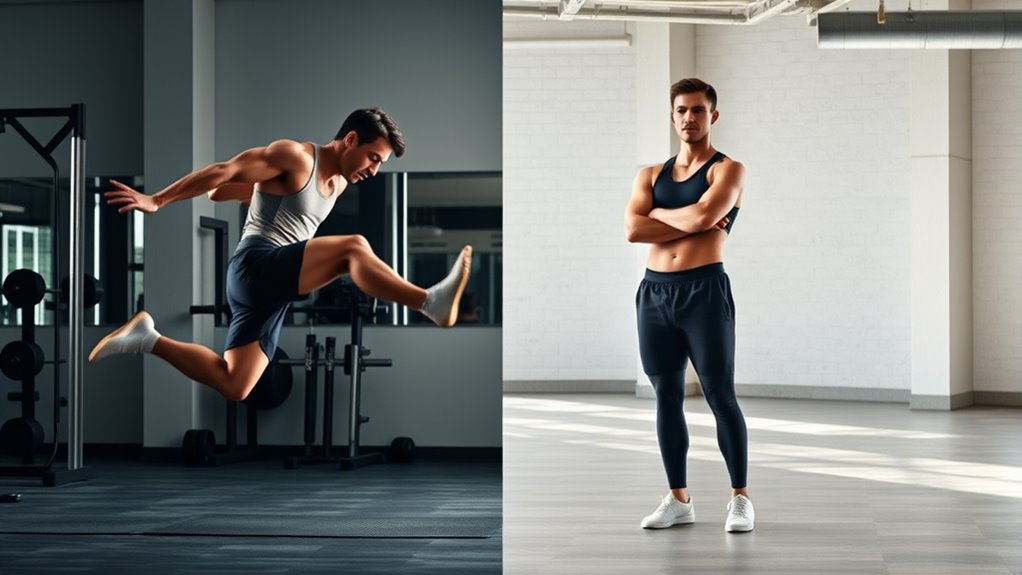
To effectively prepare your muscles for exercise, it’s important to understand the basics of dynamic and static stretching. Dynamic stretching involves moving parts of your body through a full range of motion, which helps activate your muscles and improve blood flow. This form of stretching is excellent for muscle activation, making your muscles ready for activity and reducing injury risk. Static stretching, on the other hand, requires holding a stretch without movement, mainly increasing flexibility. While static stretches can help relax muscles after exercise, they are less effective for warming up. Knowing when to use each type is key to injury prevention and peak performance. Additionally, incorporating stretching categories such as dynamic and static routines can optimize your warm-up and cool-down routines. Being aware of muscle flexibility and how it affects performance can help you tailor your stretching to prevent strains. For example, understanding your joint mobility can guide you in selecting the most beneficial stretching techniques. Recognizing the importance of muscle activation can further enhance your workout effectiveness. By understanding these basics, you’ll better tailor your stretching routine to support your exercise goals.
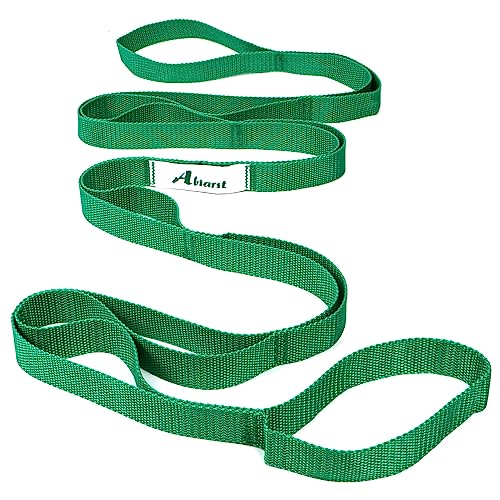
Abiarst Stretching Strap Yoga Straps for Physical Therapy, 10 Loops Non-Elastic Stretch Band for Pilates, Flexibility, Exercise and Gymnastics (Green)
Durable Materia: Our stretching straps are constructed of a durable high-quality fabric that will not fray or break….
As an affiliate, we earn on qualifying purchases.
As an affiliate, we earn on qualifying purchases.
When to Incorporate Dynamic Stretching in Your Routine

Incorporating dynamic stretching into your routine is most effective during the warm-up phase before exercise. It should be a key part of your warm-up routines, helping to prepare your muscles and joints for activity. Dynamic stretches increase blood flow, elevate your heart rate, and enhance mobility, making them ideal for injury prevention. Perform movements like leg swings, arm circles, or walking lunges to activate your muscles and improve flexibility. Doing these stretches before your workout ensures your body is ready to handle the demands ahead, reducing the risk of strains or pulls. Proper timing for dynamic stretching maximizes its benefits and minimizes the risk of injury. Save static stretching for after exercise or dedicated flexibility sessions. Incorporating dynamic stretching at the right time optimizes performance and keeps you safe during physical activity. Additionally, understanding stretching techniques can help you tailor your routine effectively. To further enhance your warm-up, consider incorporating muscle activation exercises, which can improve overall readiness and reduce injury risk. Using appropriate duration for each movement also ensures you gain the full benefits without excessive fatigue. Engaging in proper technique during these stretches ensures safety and effectiveness.

RSACET Heated Muscle Scraper Tool, Electric Fascia Knife Massager with 3-in-1, Body Gua Sha Massage Tool for Deep Tissue, Portable Fascia Tool for Full Body Muscle Recovery, Pain Relief (Black)
3-in-1 Tool: This fascia knife combines deep-penetrating heat (100°F–115°F), high-frequency vibration (up to 10,500 RPM), and gua sha…
As an affiliate, we earn on qualifying purchases.
As an affiliate, we earn on qualifying purchases.
The Role of Static Stretching in Flexibility and Recovery

Static stretching plays a vital role in improving your flexibility and aiding recovery after exercise. It helps promote muscle elongation, allowing your muscles to stretch gradually and safely. By holding stretches for an extended period, you increase the length of muscle fibers and improve joint range of motion. This process not only boosts flexibility but also supports injury prevention by reducing muscle tightness and imbalance. When you incorporate static stretching into your cool-down routine, you help your body relax and recover more effectively. Consistent practice can prevent strains and reduce soreness, ensuring you’re ready for your next workout. Remember, static stretching is most beneficial after activity, when muscles are warm and more receptive to elongation. Incorporating modern stretching techniques can further enhance your flexibility and recovery efforts. Additionally, understanding the difference between dynamic and static stretches can help optimize your stretching routine for specific goals. Employing proper stretching techniques ensures safety and maximizes benefits during your flexibility training. Moreover, including static stretching as part of a balanced flexibility program can lead to long-term improvements in mobility and overall performance. Incorporating a comprehensive approach that combines different stretching methods can optimize your results and reduce injury risk.

Dance Boost Turn & Stretch Kit – Turning Board + Door Leg Stretcher for Ballet, Gymnastics & Cheerleading – Improve Flexibility, Balance & Turns – Includes Surprise Gift – Gift-Ready Box
COMPLETE DANCE TRAINING KIT — Turning board for spins & pirouettes, door leg stretcher for flexibility & extensions,…
As an affiliate, we earn on qualifying purchases.
As an affiliate, we earn on qualifying purchases.
Best Practices for Combining Both Types of Stretching

Combining both dynamic and static stretching can optimize your flexibility and performance when integrated correctly. To guarantee stretching safety, always start with dynamic stretches to warm up your muscles and prepare your body for activity. After your workout, incorporate static stretching to improve flexibility and aid recovery. Use proper warm-up techniques to prevent injury and maximize effectiveness. Here are some best practices:
- Begin with light cardio to elevate your heart rate
- Perform dynamic stretches in a controlled, deliberate manner
- Limit static stretches to the cool-down phase
- Avoid overstretching to prevent injury
- Listen to your body and adjust intensity accordingly
- Incorporate a balanced stretching routine to enhance overall flexibility and reduce injury risk. Remember, incorporating protective styling benefits can also help maintain your hair health during physical activity. Additionally, understanding the importance of proper hydration can further support your muscles and overall performance. Engaging in a comprehensive flexibility program that includes both types of stretching can lead to better long-term results.
Common Mistakes to Avoid When Stretching

One common mistake people make when stretching is pushing too far beyond their comfort zone, which can lead to injuries. Many skip proper warm-up routines, assuming stretching alone prepares the muscles, but cold muscles resist elongation and are more prone to strains. Avoid forcing stretches into pain, especially during static stretching, as it hampers effective muscle elongation and can cause overstretching. Rushing into deep stretches without gradual warm-up reduces flexibility gains and increases injury risk. Also, neglecting consistency and proper technique can diminish benefits. To prevent these mistakes, incorporate gentle warm-up routines, focus on controlled movements, and listen to your body’s signals. Proper preparation guarantees safe stretching, maximizes muscle elongation, and supports your overall flexibility goals.
Frequently Asked Questions
Can Static Stretching Help Prevent Sports Injuries?
Yes, static stretching can help prevent sports injuries by enhancing flexibility and reducing muscle tightness. When you incorporate static stretches into your routine, you improve your range of motion, which decreases the risk of strains and sprains during activity. However, it’s best to do static stretching after your workout, as it aids in injury prevention and flexibility improvement without compromising your performance during exercise.
How Long Should I Hold Each Stretch During Static Stretching?
Think of your muscles as a delicate garden that needs patience. For static stretching, aim to hold each stretch for about 15 to 60 seconds, depending on your flexibility level. The ideal timing ensures your muscles relax and lengthen without overstretching. Focus on consistent stretch duration, and avoid rushing—this careful approach helps prevent injuries and boosts your flexibility in the long run.
Is There an Age Limit for Effective Stretching Exercises?
There’s no strict age limit for effective stretching exercises, but age considerations and stretching safety are important. You can benefit from stretching at any age, but older adults should focus on gentle, controlled movements to prevent injury. Incorporate flexibility routines gradually, paying attention to your body’s signals. Always consult a healthcare professional if you have pre-existing conditions, and avoid overstretching to guarantee safe, effective flexibility improvements.
Can I Do Both Stretch Types in the Same Workout?
Absolutely, you can blend both stretch types in your workout. Starting with warm-up routines, incorporate dynamic stretching to energize your muscles, then shift into static stretches during your cooling-down stretching sequences. This balanced approach helps prevent injury and enhances flexibility. Embrace this harmonious combination, knowing it nurtures your body’s natural rhythm and invites a sense of well-being as you move through your exercise journey.
How Does Stretching Impact Athletic Performance?
Stretching can boost your athletic performance by improving muscle flexibility and reducing injury risk. When you stretch regularly, your muscles become more adaptable, helping you move more efficiently and with better range of motion. Dynamic stretching before activity warms up your muscles, while static stretching afterward enhances flexibility and aids recovery. Incorporating both types strategically can optimize your performance and protect you from injuries during training and competitions.
Conclusion
Remember, stretching wisely is key to your fitness journey. Use dynamic stretches to warm up and static stretches to cool down, ensuring your body stays flexible and injury-free. Don’t forget, Rome wasn’t built in a day—patience and consistency matter. By combining both types thoughtfully, you set yourself up for progress and longevity. Keep pushing forward, knowing that “slow and steady wins the race” applies perfectly to your flexibility goals.