To train for your first half marathon, start by following a 10-12 week plan that gradually increases your weekly mileage. Include a mix of easy runs, long runs, and speed workouts, while ensuring you have rest days for recovery. Focus on a balanced diet with plenty of carbohydrates, lean proteins, and hydration. Don’t forget to prioritize injury prevention with proper gear and strength training. There’s much more to contemplate for your training journey ahead!
Key Takeaways
- Follow a structured 10-12 week training plan that gradually increases your weekly mileage to build endurance for the 13.1 miles.
- Incorporate a mix of easy runs, long runs, and speed work into your training to enhance overall performance and stamina.
- Maintain a balanced diet rich in carbohydrates, proteins, and healthy fats, with a focus on hydration, especially during longer runs.
- Prioritize recovery with designated rest days, stretching, and foam rolling to prevent injuries and ensure muscle repair.
- Invest in proper running shoes tailored to your foot type and replace them regularly to minimize injury risk and enhance comfort during training.

Whether you’re a seasoned runner or just starting out, training for a half marathon can be an exciting challenge. You’ll want to approach your training with a solid plan that covers both your running regimen and other vital aspects, like nutrition planning and injury prevention. These elements are key to not only completing the race but also enjoying the journey to get there.
First off, let’s talk about your running schedule. You’ll typically want to follow a plan that gradually increases your mileage over several weeks. This will help you build endurance without overwhelming your body. Most half marathon training plans span about 10 to 12 weeks, featuring a mix of easy runs, long runs, and speed work. Make sure you include rest days, too; they’re just as important as your running days for recovery and muscle repair.
Gradually increasing your mileage over 10 to 12 weeks is key to building endurance and preventing injury during half marathon training.
As you ramp up your training, pay attention to your nutrition planning. Fueling your body with the right foods can make a significant difference in how you perform. Focus on a balanced diet rich in carbohydrates, proteins, and healthy fats. Carbs are your primary energy source, so don’t shy away from whole grains, fruits, and vegetables. Lean proteins will help repair muscles after those long runs. Hydration is also essential; drink water consistently throughout the day and consider electrolyte drinks during longer training sessions.
Injury prevention should be at the forefront of your mind as you train. The last thing you want is to be sidelined by an injury just before the race. Start by listening to your body. If you feel any unusual pain, take a break and assess the situation. Incorporating cross-training activities, like swimming or cycling, can also help you build strength and endurance without putting too much strain on your running muscles. Additionally, consider strength training to fortify key muscle groups and improve your overall stability.
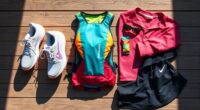
Stretching and foam rolling should become part of your routine, too. These practices can enhance your flexibility and help ward off injuries. Finally, wear proper running shoes that suit your foot type and running style. Investing in a good pair can minimize the risk of blisters and other common running injuries. Remember, proper running shoes are crucial to your training success and overall comfort.
With a well-rounded approach that includes a solid running plan, effective nutrition planning, and thorough injury prevention, you’re setting yourself up for a successful and enjoyable half marathon experience. Embrace the journey, and you’ll find that crossing that finish line is just the icing on the cake!

Acteon Microfiber Gym Towels 5 Pack, Quick Dry Silver ION Odor-Free Sweat Towel, Super Absorbent Fast Drying for Men & Women, Workout, Yoga, Running, Hiking, Travel – 16x30.5 Inch
- Odor-Free with Silver Ions: Prevents odors and wicks moisture
- Quick Dry Microfiber: Absorbs five times its weight, dries fast
- Durable and Lightweight: Long-lasting, easy to wash, comfortable to wear
As an affiliate, we earn on qualifying purchases.
Frequently Asked Questions
What Should I Eat the Night Before the Race?
The night before the race, you should focus on a pre-race meal that emphasizes carbs. Think pasta, rice, or quinoa paired with a lean protein like chicken or fish. This carb-loading strategy will help maximize your glycogen stores for race day. Avoid heavy fats and fiber, as they might upset your stomach. Hydrate well, too, but don’t overdo it just before bed. A good meal will fuel your performance and keep your energy up!
How Do I Stay Motivated During Training?
To stay motivated during training, set clear and achievable goals. Break your larger goal into smaller milestones, and celebrate each success. Use mental strategies like visualization—imagine yourself crossing the finish line. Keep a training journal to track your progress and feelings. Surround yourself with supportive friends or join a running group for accountability. Remember, it’s normal to have off days, but staying focused on your goals will help you push through.
What Gear Do I Need for a Half Marathon?
To tackle a half marathon, think of your gear as your trusty armor. First and foremost, invest in a good pair of running shoes that fit well and provide support. You’ll also need hydration gear, like a belt or handheld bottle, to keep you fueled along the way. Don’t forget moisture-wicking clothing to stay comfortable and prevent chafing. With these essentials, you’re geared up and ready to conquer the race!
Should I Run With Music or Without?
It’s really up to your music preference! Running with music can boost your motivation and help you maintain a steady pace, making those longer runs more enjoyable. However, running without headphones allows you to connect with your surroundings and focus on your breathing. Try both methods to see what works best for you. Ultimately, whether you jam out or embrace the silence, find what keeps you moving and enjoying your runs!
How Do I Recover After the Race?
After the race, you should focus on recovery to help your body heal. Did you know that nearly 70% of runners experience muscle soreness post-race? Start with post-race stretching to ease tightness and improve flexibility. Hydration strategies are vital; drink water or electrolyte drinks to replenish lost fluids. Incorporate light meals with protein and carbs to fuel your recovery. Remember, giving yourself time to rest is just as important as training itself!

Vnoss Microfiber Quick Dry Gym Towel, Lint Free Odor-Free Absorbent Fiber, Fast Drying, Men & Women Workout Gear for Body Sweat, Working Out, Towels (Grey, 5Pack - 16 * 27Inch)
- Pack of Five Towels: Lightweight and compact for travel and gym
- Fast Drying Microfiber: Dries three times faster than cotton
- High Absorption: Absorbs up to five times its weight
As an affiliate, we earn on qualifying purchases.
Conclusion
As you lace up your shoes and hit the pavement, remember that training for a half marathon is a journey, not a sprint. Each step you take brings you closer to that finish line, where the sweet taste of accomplishment awaits. Embrace the challenges and celebrate the small victories along the way. With dedication and perseverance, you’ll transform from a novice to a confident runner, ready to conquer those 13.1 miles and beyond. Keep pushing forward!
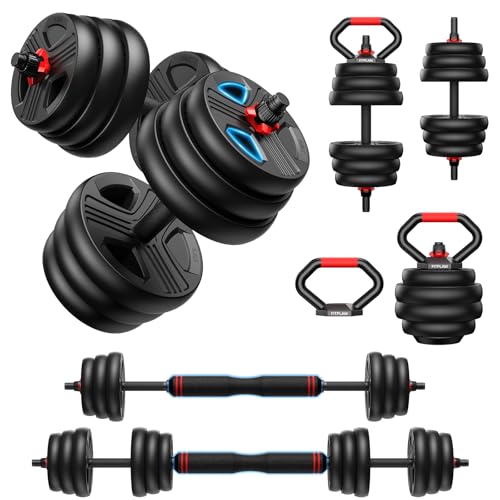
FDS1 Adjustable dumbbell set, 45lbs Free Weights set with upgraded nut, 5 in 1 Weight Set Used as Kettlebells, Barbell, Push up Stand, Fitness Exercise for Home Gym Suitable Men/Women
- Multifunctional 5-in-1 Design: Transforms into dumbbells, kettlebells, barbells, and more
- Dual-Lock Nut System: Red and black locks prevent weight shifting
- Adjustable Weight Options: Customize weights from light to heavy
As an affiliate, we earn on qualifying purchases.
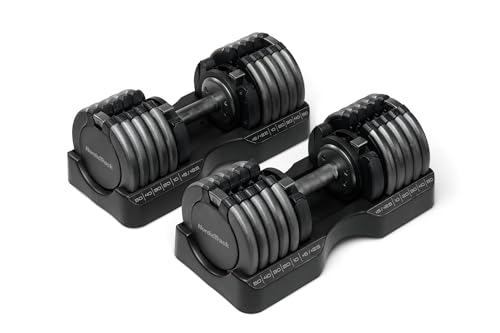
NordicTrack 55 lb Select-a-Weight Dumbbell Pair
- Smooth Weight Selector: Adjusts in 2.5, 5, and 10 lb increments
- 10 lb. Handlebar: Use individually for full-body toning
- Replaces 30 Dumbbells: Offers 15 weight options in one set
As an affiliate, we earn on qualifying purchases.